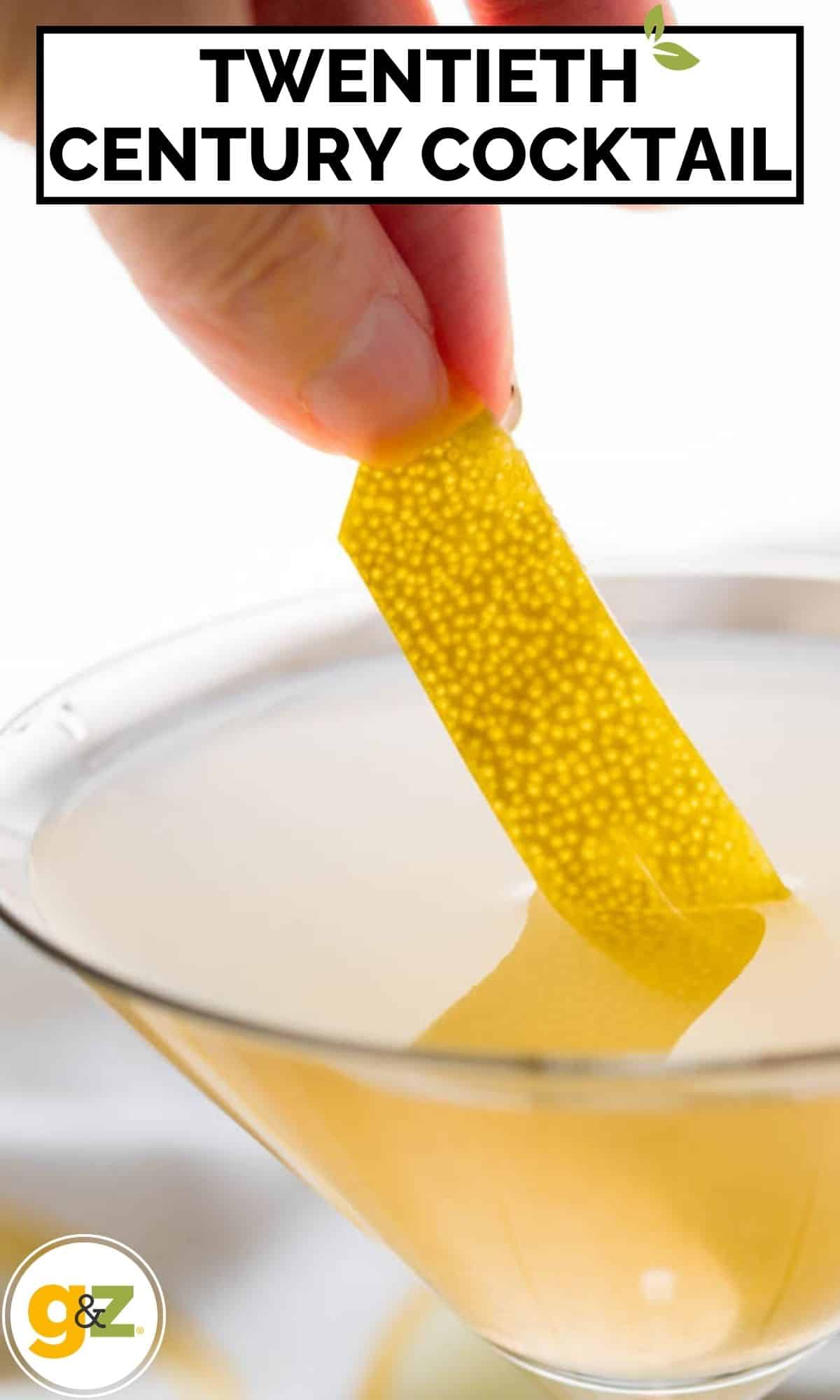
20th Century Cocktail — Dante’s $10 Happy Hour Martini
Inside: How to make the Prohibition-era gin cocktail behind Dante’s viral $10 Martini Hour.
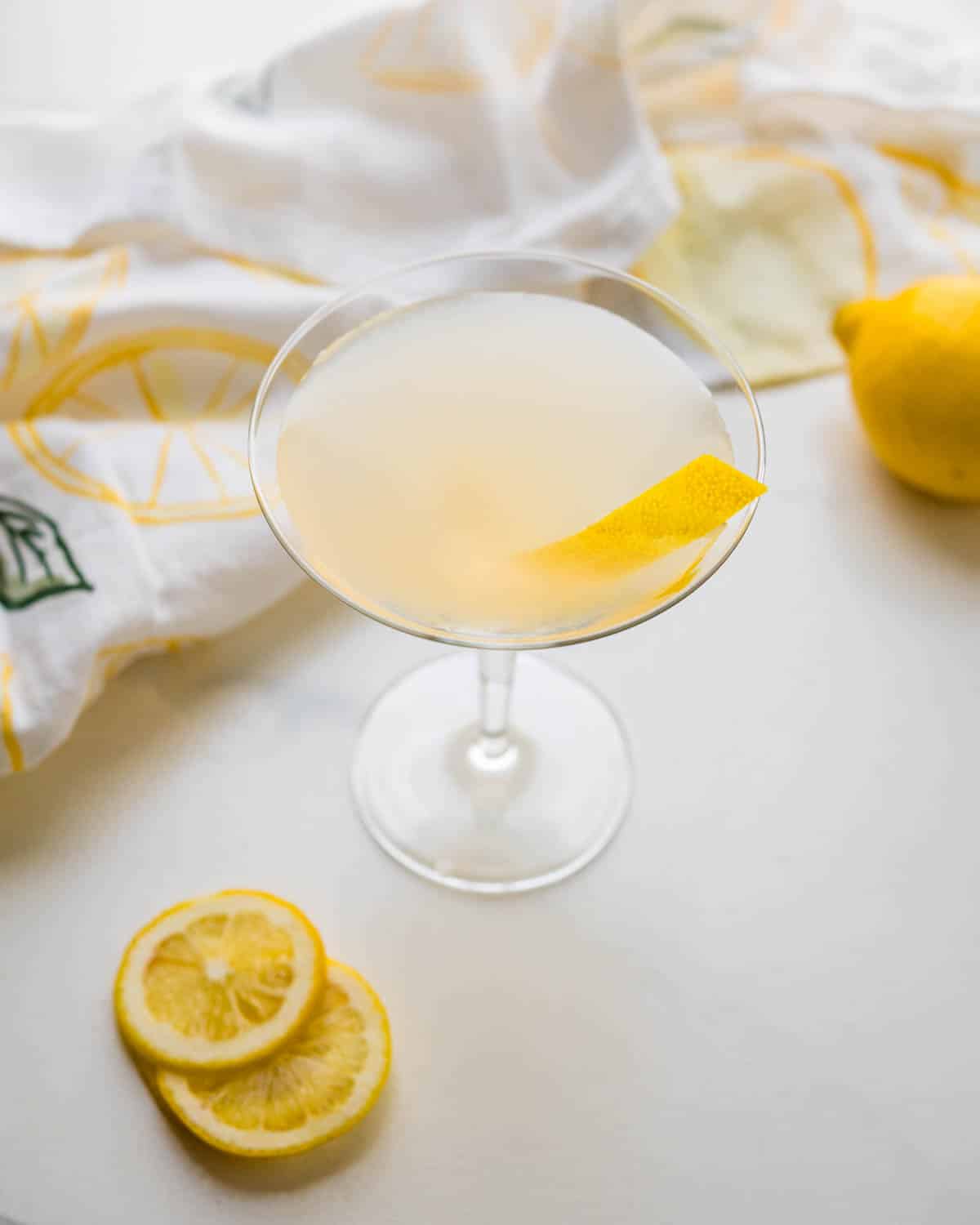
Dante’s, Beverly Hills, charges $10 (a relative bargain) for this gin cocktail during their Martini Happy Hour, and I’ve been making it at home ever since my first one in California this summer. Roku gin, Lillet Blanc, White crème de cacao and fresh-squeezed lemon juice. Shaken and served with a twist. Call it a 20th Century cocktail, call it a martini, or call it your “usual” – because that’s what it’s destined to be.
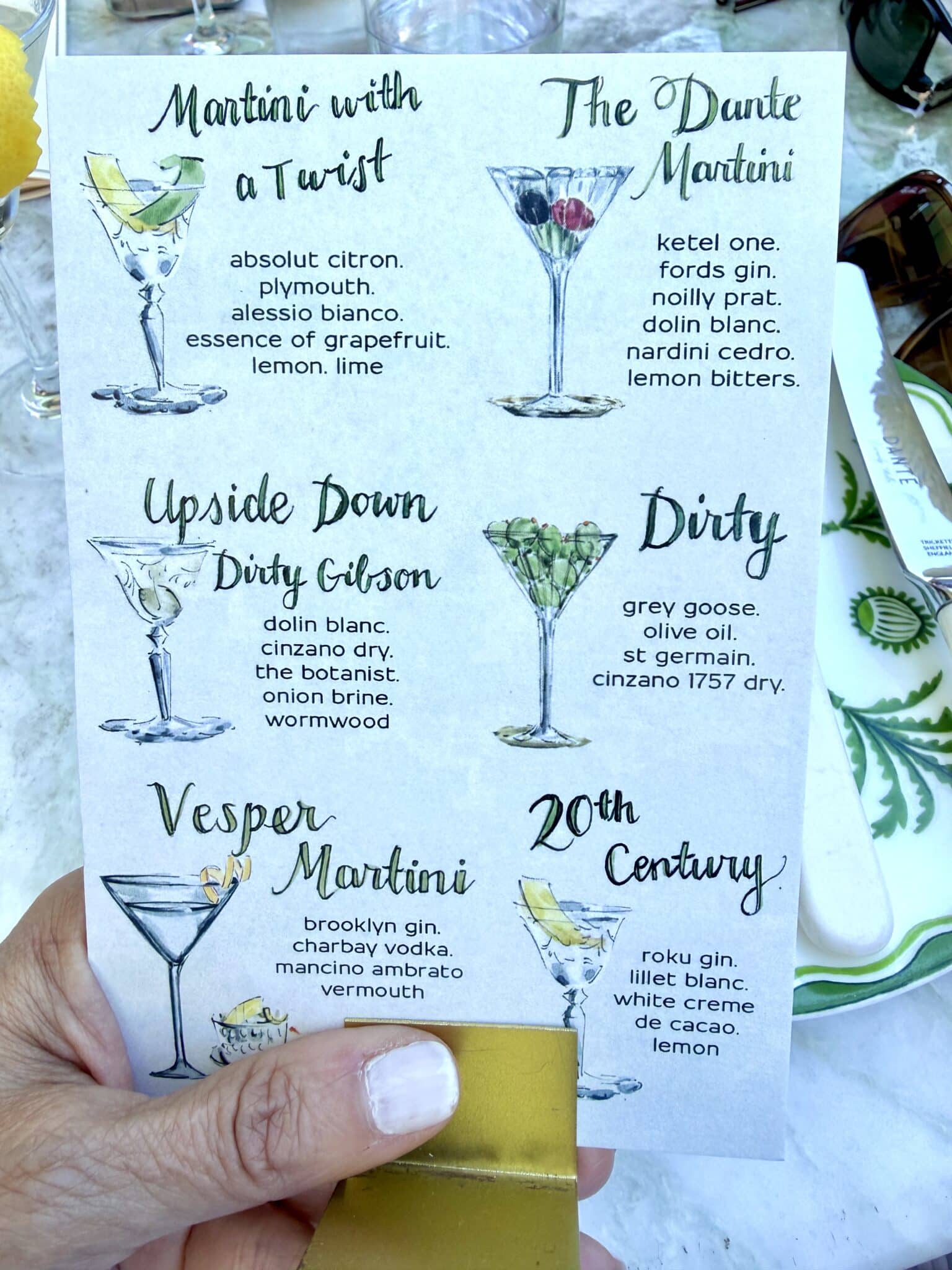
I ordered my first 20th Century Cocktail at Dante’s Beverly Hills. No, I don’t frequent those stomping grounds, but when vacationing in California, you seek out the hot spots. We stopped in for a late lunch and were just in time for the $10 martini happy hour.
The waiter didn’t oversell it–gin, Lillet Blanc (which I enjoyed with a splash of tonic a few summers ago in France), white crème de cacao and fresh lemon; shaken and strained. One sip in, I was asking for the recipe.
Not an exaggeration. I took a picture of the menu and added Roku gin and white creme de cacao to my liquor store list. It’s become the drink of summer at our house, and I’ve shared it with enough friends to know it’s a winner.
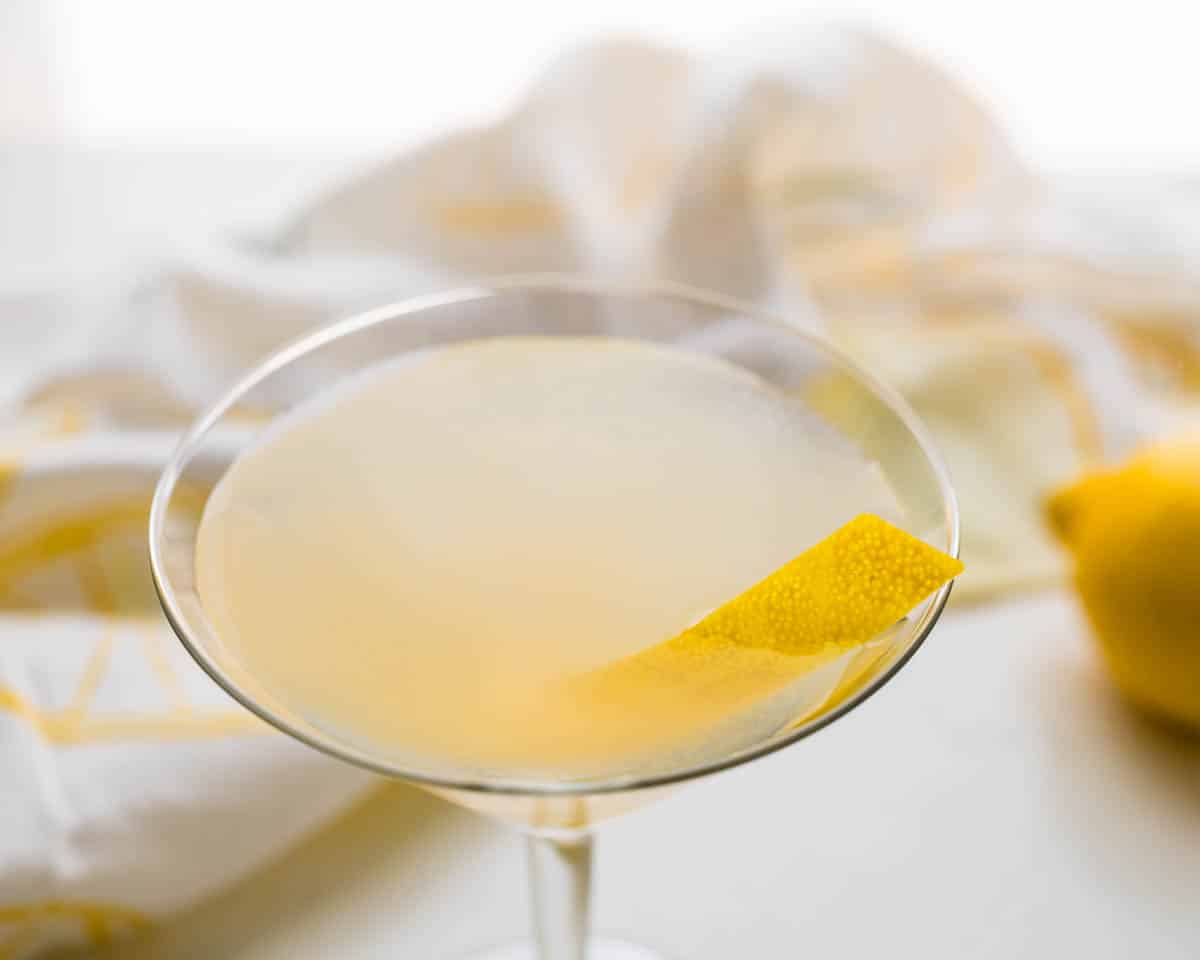
What surprised me is that Dante’s didn’t invent this gin cocktail. It dates back to 1937 and was invented by a British bartender named C.A. Tuck. The name came from the 20th Century Limited (a train that ran between New York and Chicago for most of the last century). The 20th Century Cocktail showed up in print that same year in the Café Royal Cocktail Book, decades before anyone in Beverly Hills had it on their happy hour menu.
To be clear, Dante’s calls this a martini, but it isn’t. Not technically.
No vermouth. Shaken, not stirred and really more of a sour than a martini. Don’t expect an olive in your glass.
Why this recipe works:
- The ratios do the heavy lifting–Equal parts Lillet Blanc, crème de cacao and lemon juice vs. a larger pour of gin prevents any one ingredient from dominating. It’s lemony, lightly sweet and floral. No sharp alcohol taste, just beautifully balanced.
- Roku gin isn’t interchangeable with whatever’s on your shelf–It’s six botanicals (sakura flower and yuzu peel among them) that lean floral and citrus-forward instead of straight juniper, which is what this recipe needs to stay balanced instead of turning into boozy lemonade.
- Four ingredients, no special equipment–No syrups to make, no infusions to wait on. If you own a cocktail shaker, you can make a 20th Century Cocktail.
- It scales for a crowd–ask me how I know. Multiply the ratios and batch it in a pitcher before guests arrive. You can shake individual servings over ice to amplify the chill.
- It’s a built-in conversation starter–Once someone asks why a shaken, vermouth-free drink is called a martini, you’ve got a story to tell. The Dante’s connection, the 1937 history of it all.
Ingredients:
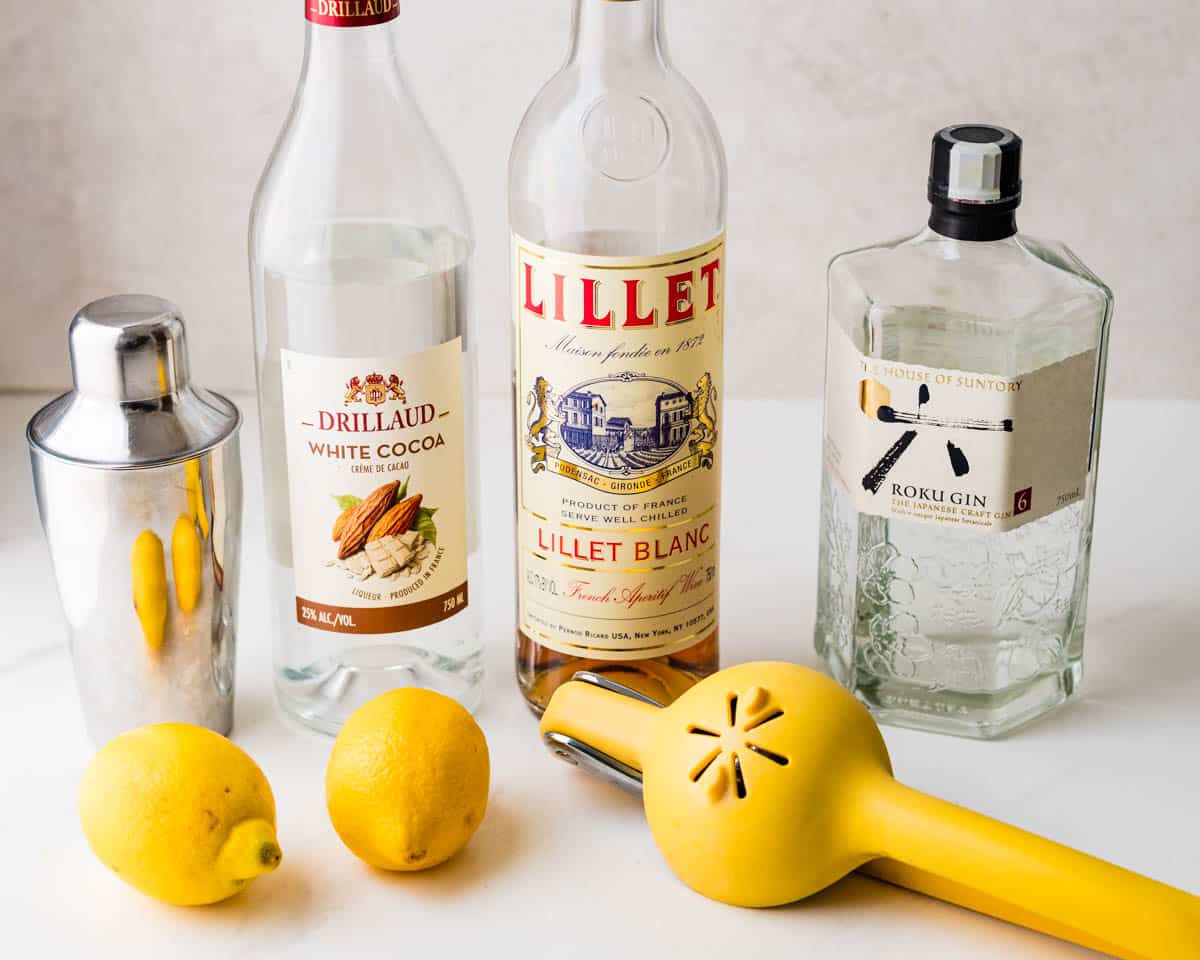
- Roku gin — the Japanese gin behind the bar at Dante’s, and the ingredient most people won’t already have. Six botanicals, including sakura flower and yuzu peel, give it a floral, citrus-forward profile instead of a straight juniper punch. A London Dry works if that’s what’s in your cabinet, but the drink tastes noticeably different — less floral, more traditional gin-forward.
- Lillet Blanc — a French aperitif wine, lightly sweet with a honeyed, slightly bitter finish. This is what turns a gin sour into something that reads as a martini. The original 1937 recipe called for Kina Lillet, a more bitter, quinine-heavy version discontinued in 1986; modern Lillet Blanc is the softer replacement, and it’s what Dante’s pours.
- White crème de cacao — a clear chocolate liqueur, used here in a small enough pour that the drink doesn’t taste like dessert. It rounds out the lemon’s acidity with a creamy sweet flavor that doesn’t read “chocolate”.
- Fresh lemon juice — not bottled. The whole drink balances on this one component; bottled lemon juice throws it off in a way you’ll taste immediately.
- Strip of lemon peel – for garnish, optional.
Step-by-step instructions:
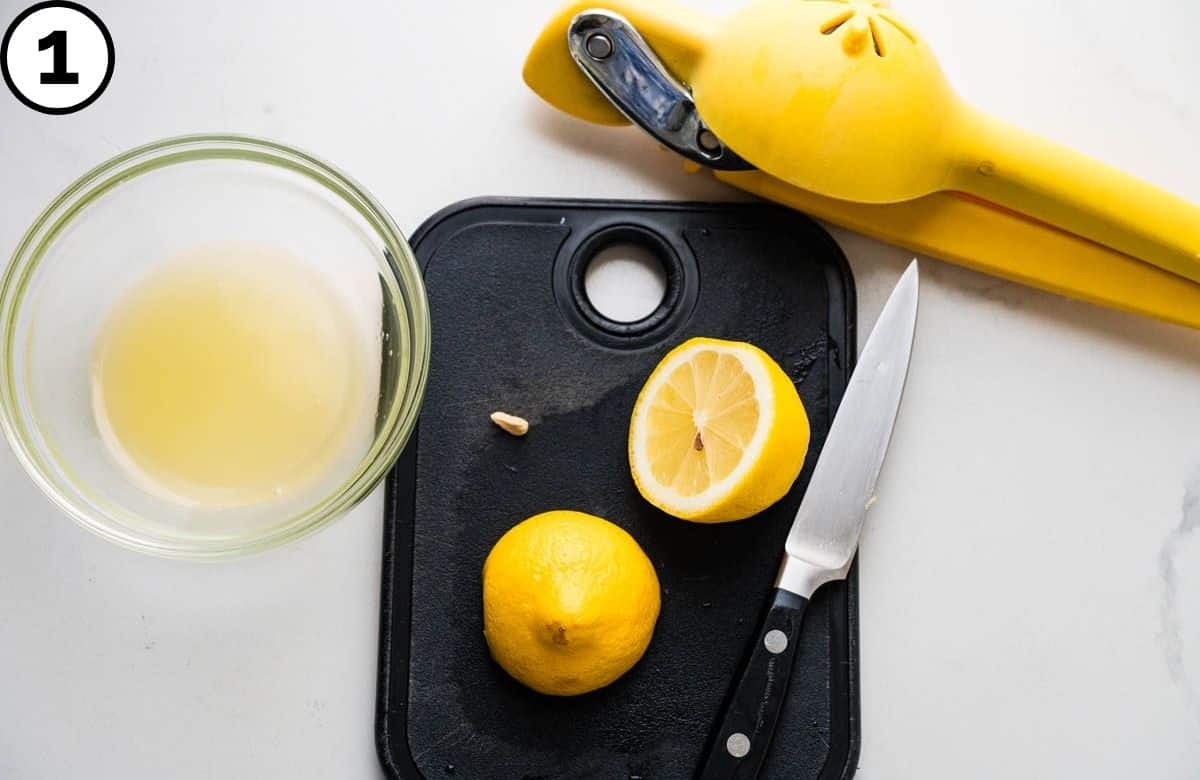
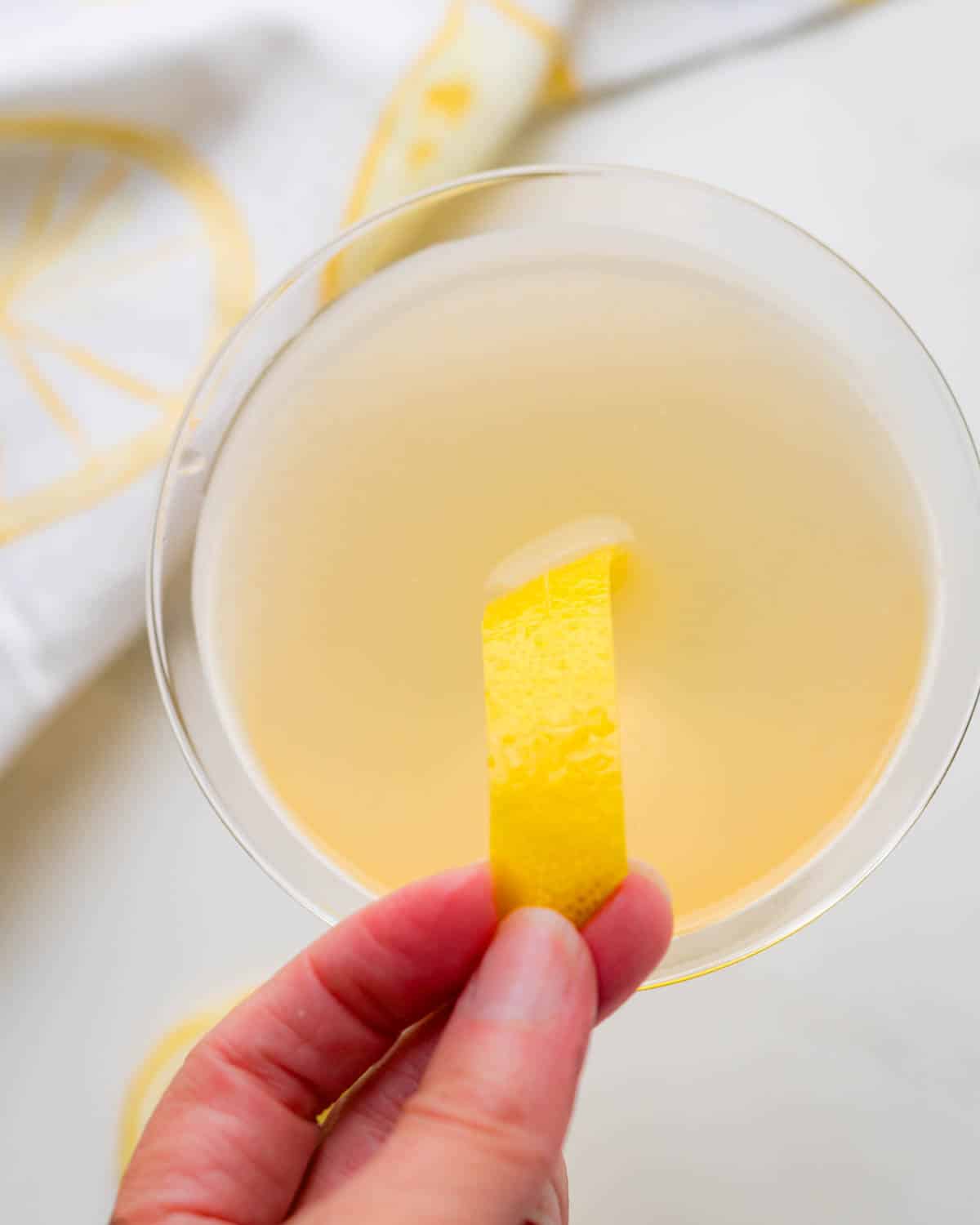
1. If you’re planning to garnish, use a peeler to get several strips of lemon peel before you juice the lemons (it’s much harder afterward). Slice the lemons and juice them into a small bowl. (You need ¾ ounce for each cocktail – plan accordingly).
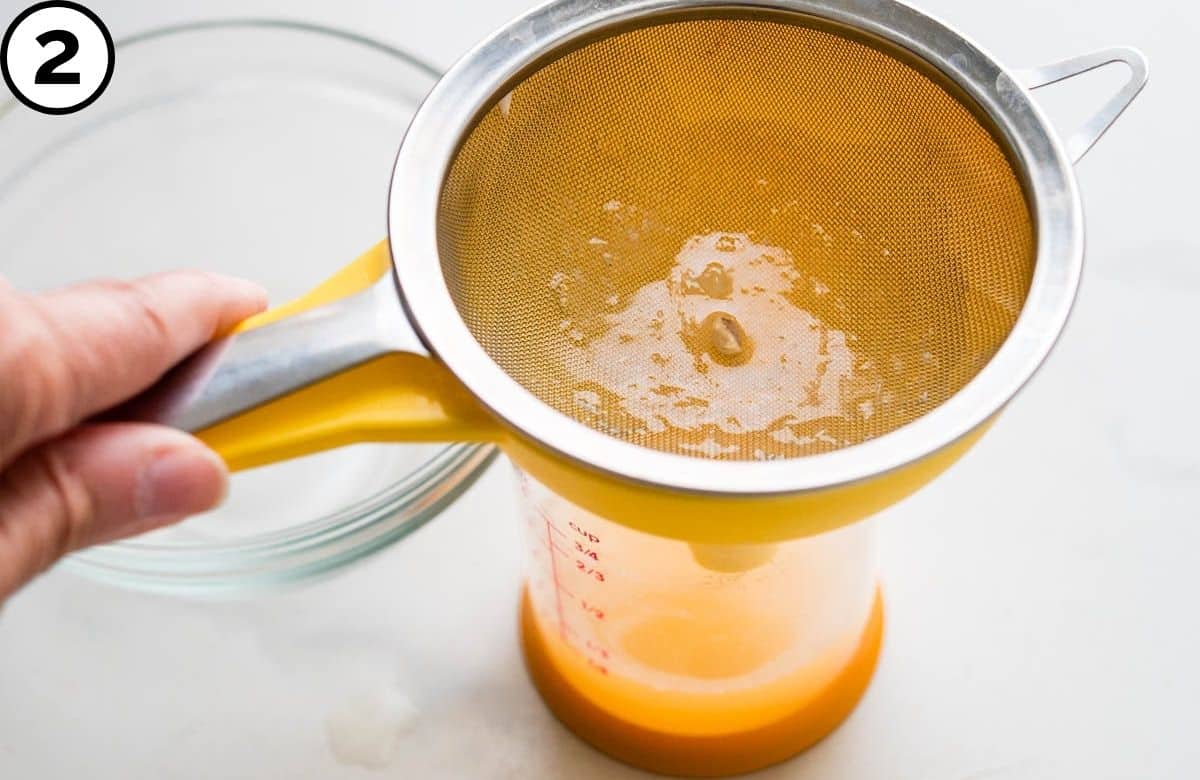
2. Strain the lemon juice to remove excess pulp and seeds (optional, but it makes for a smoother cocktail).
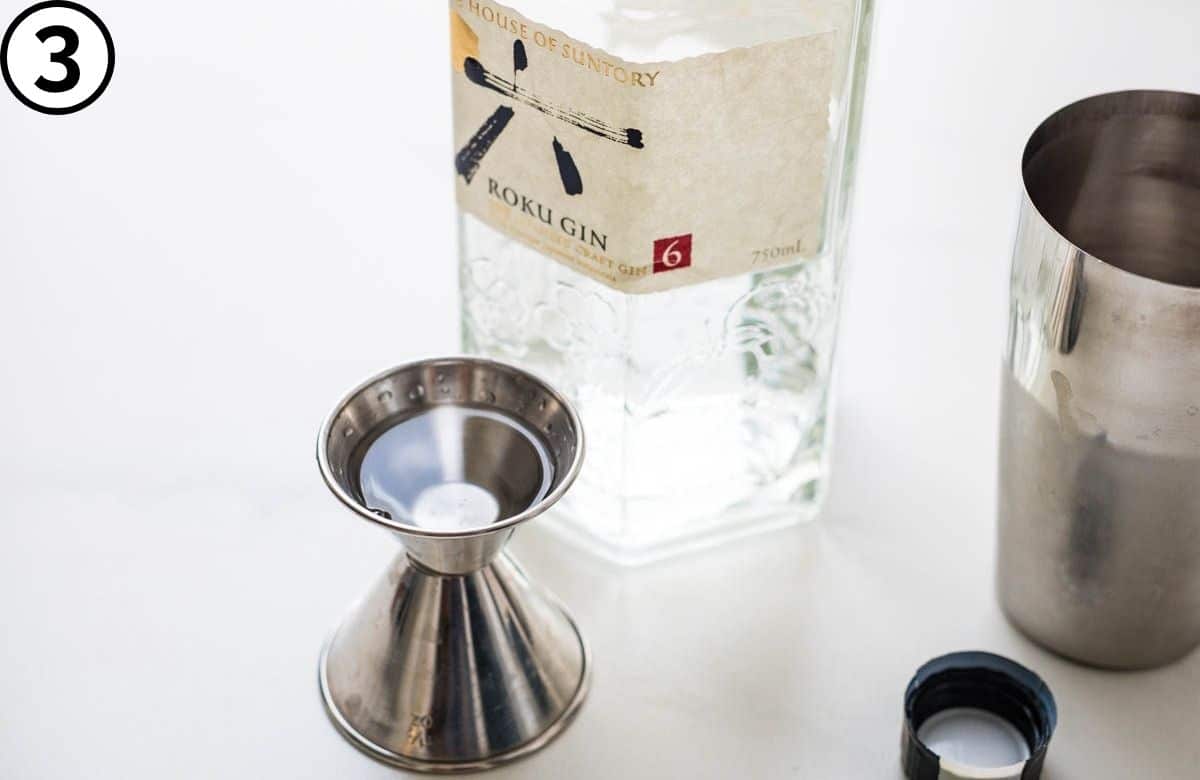
3. Fill a shaker with ice and add 1½ ounces of Roku gin.
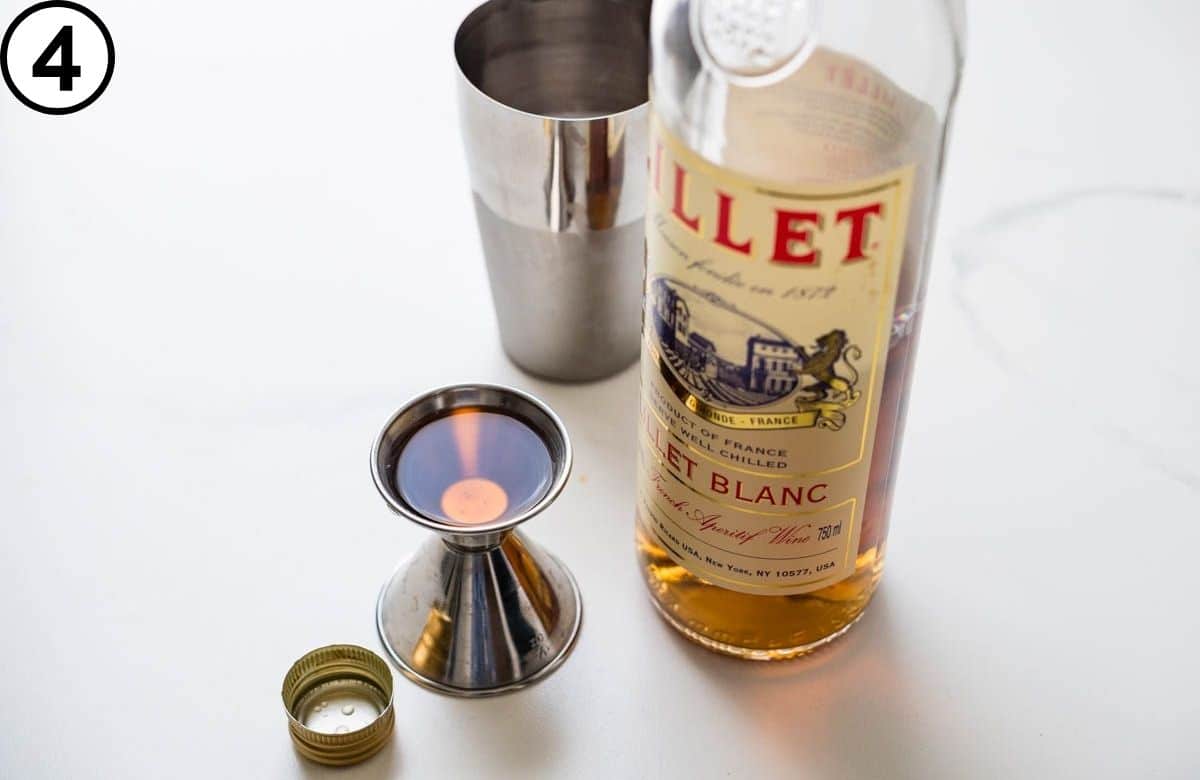
4. Add ¾ ounce of Lillet Blanc.
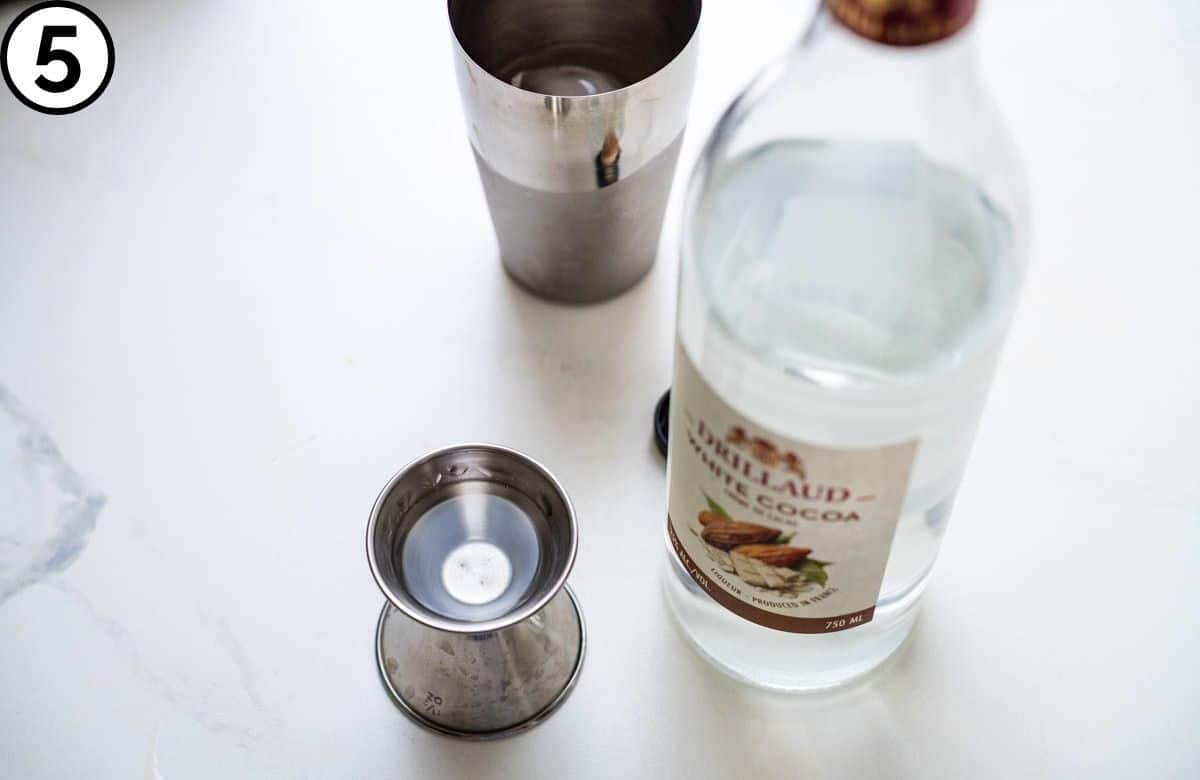
5. Pour in ¾ ounce of white crème de cacao.
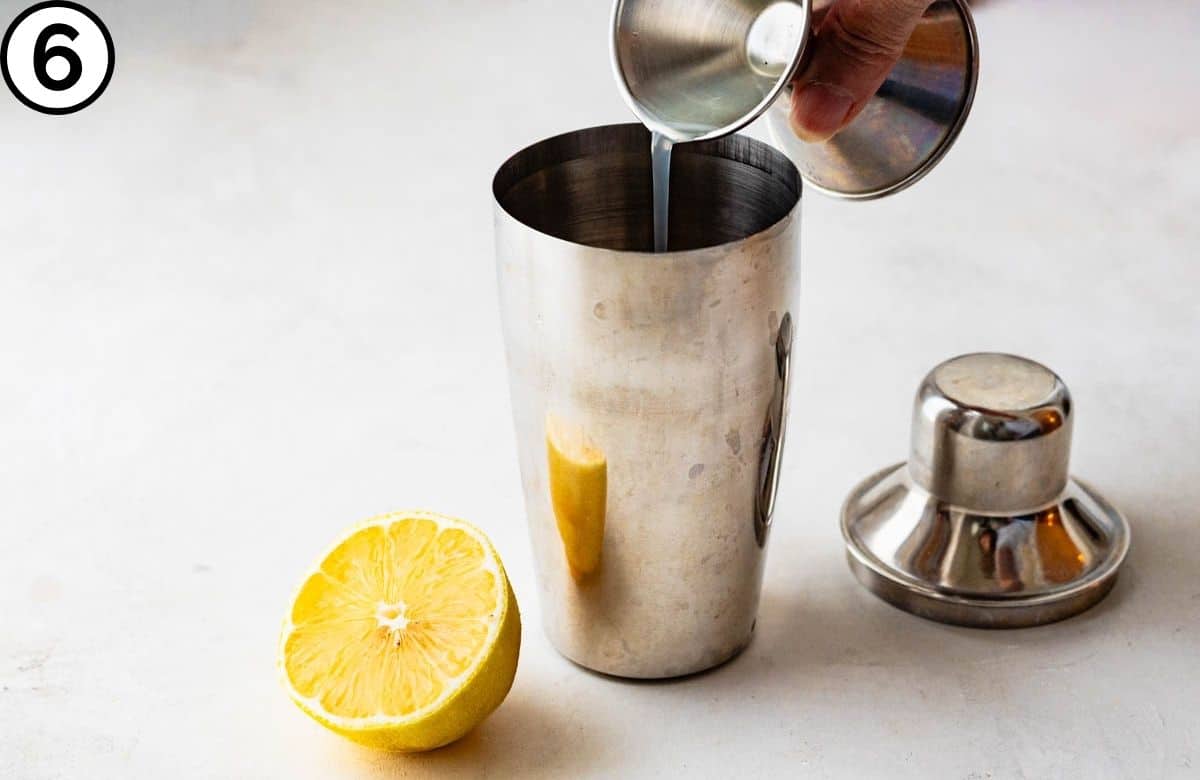
6. Add ¾ ounce of lemon juice.
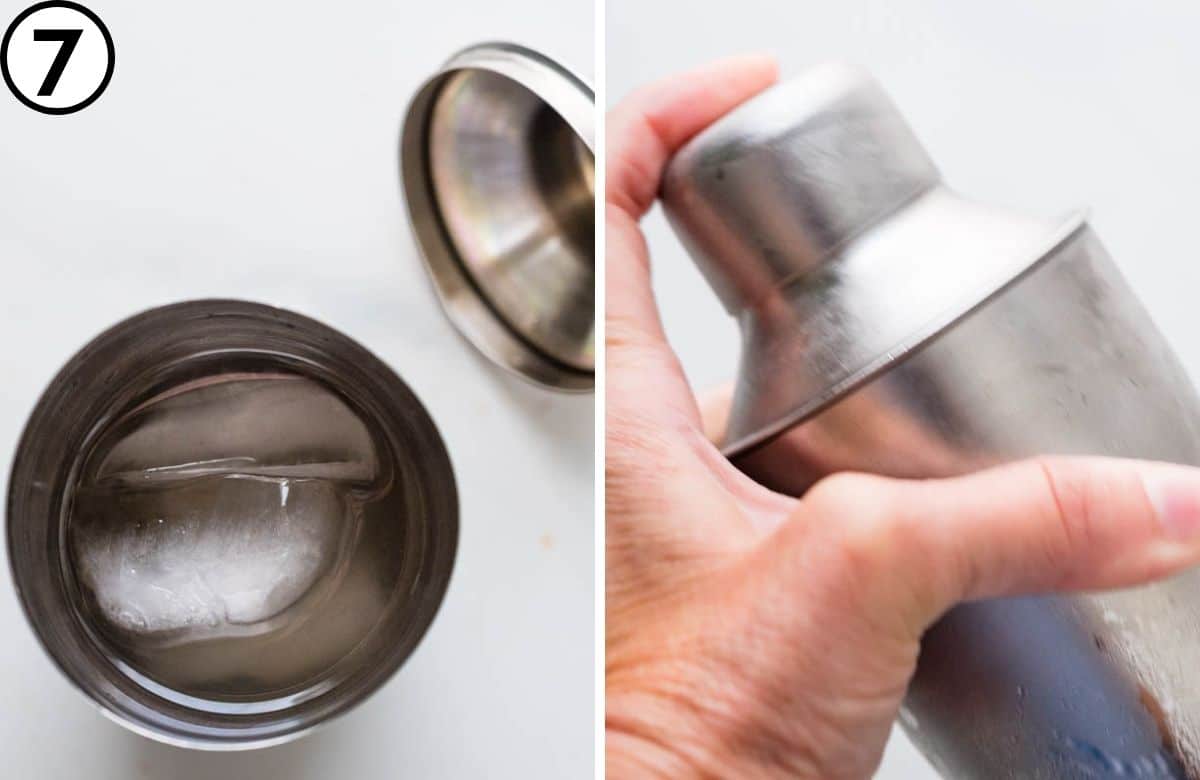
7. Seal and shake the cocktail shaker vigorously for 30 seconds or until the outside of the shaker is frosty and cold.
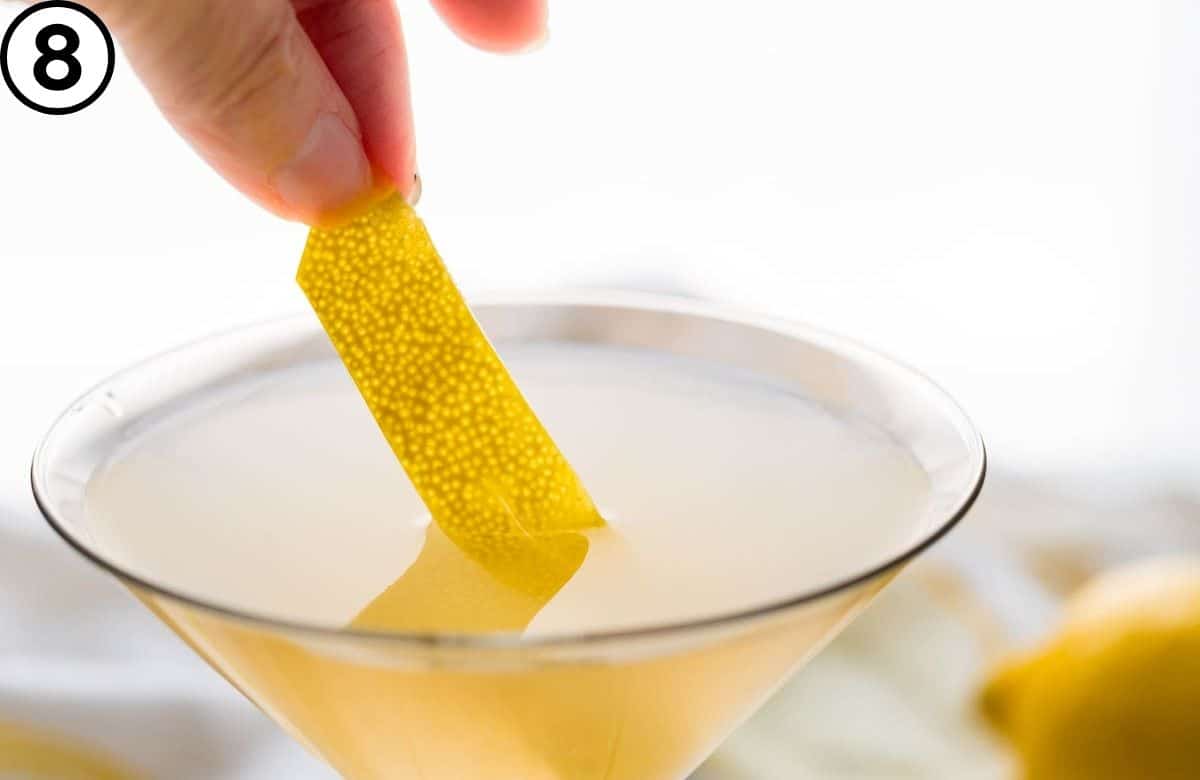
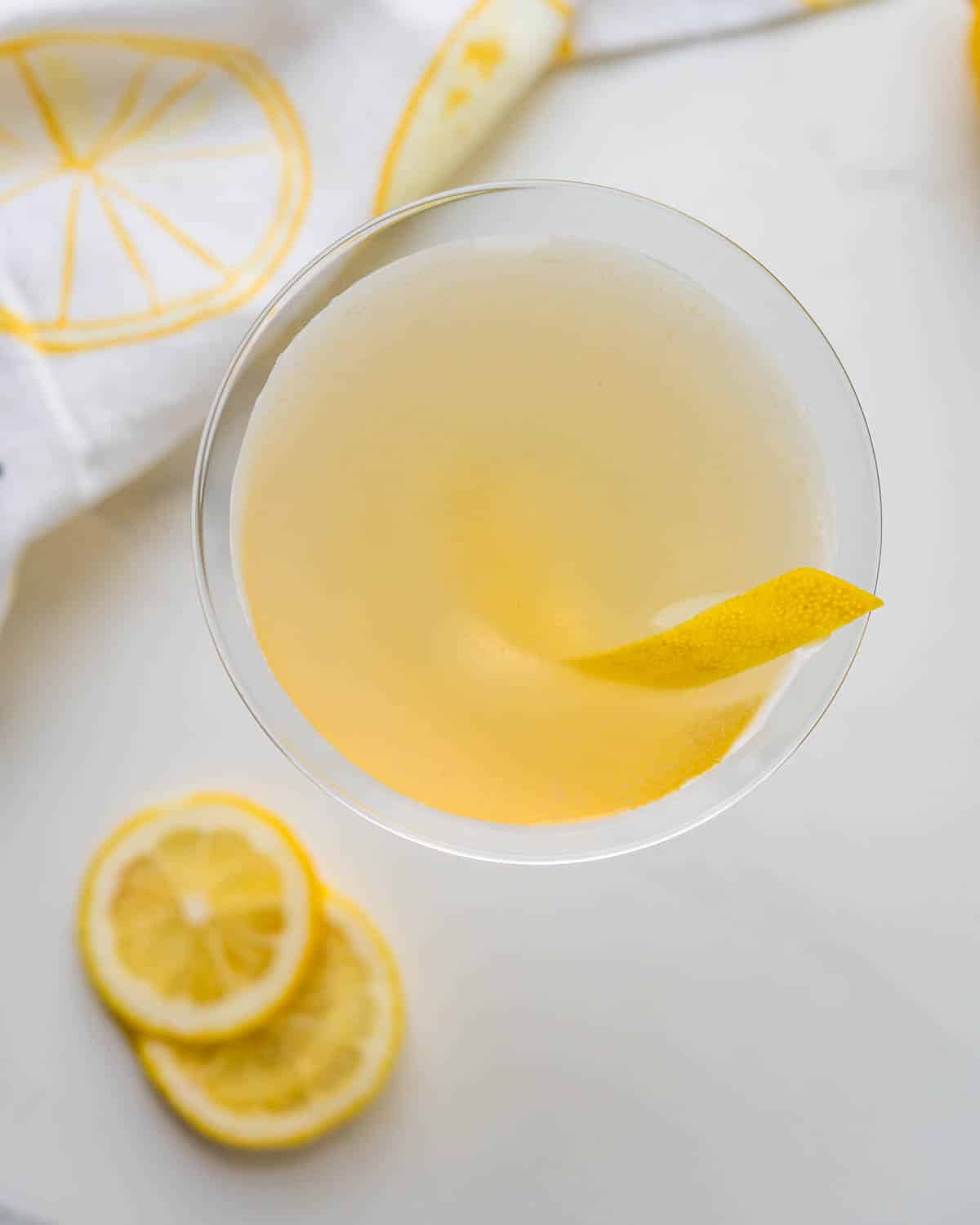
8. Strain the 20th Century cocktail into a martini (or coupe) glass and garnish with a twist of lemon peel, if desired. Sip and enjoy!
Pro-Tips:
- Peel the lemon before you juice it. Once you’ve squeezed a lemon dry, there’s no getting a clean twist out of that same peel — the fruit’s already flat and torn. Zest or peel your twist first, then juice what’s left.
- Chill the glass before you shake. Nothing sits over ice after this gets strained, so a room-temperature coupe starts warming the drink the second it’s poured. Stick it in the freezer while you’re mixing.
- Shake it harder and longer than you think you need to. The crème de cacao is thicker than the other three ingredients, and it needs real agitation to fully integrate — a half-hearted shake leaves it under-diluted and boozy instead of cold and balanced. Thirty seconds, hard.
- Express the twist before you drop it in. Hold the peel over the glass and give it a firm pinch, skin-side down, to release the citrus oils across the surface of the drink — that’s most of what you’ll smell on the first sip.
- Batch the base for a crowd, but keep the lemon juice separate. Gin, Lillet Blanc, and crème de cacao hold up fine premixed in the fridge. Fresh lemon juice doesn’t — it starts losing brightness within an hour of squeezing, so add it and shake to order.
- Once it’s opened, Lillet Blanc is a wine-based aperitif, not a spirit — keep it in the fridge, and it’ll hold its brightness for a couple of months, not indefinitely like the gin. White crème de cacao is a true liqueur and keeps well in the pantry for more than a year.
Swaps and Variations:
- Swap Cocchi Americano for Lillet Blanc. The original 1937 recipe was built on Kina Lillet, a more bitter, quinine-forward aperitif that Lillet stopped making in 1986. Modern Lillet Blanc is the softer, sweeter replacement — it’s what Dante’s uses and what this recipe calls for. If you want something closer to what C.A. Tuck was actually pouring, Cocchi Americano is the bottle cocktail historians reach for; it’ll make the drink drier, more bitter and less floral.
- Dial back the crème de cacao to 0.5 oz for the original ratio. This recipe calls for 0.75 oz white crème de cacao — richer and a touch sweeter than the 1937 original, which called for 0.5 oz. Drop it down if you want the drier, more citrus-forward pour that’s closer to the history books; keep it at 0.75 oz for the rounder, sweeter version Dante’s actually serves.
- If Roku’s not available–Beefeater, Tanqueray, or whatever London Dry you have on hand will work—the ratios don’t need to change. You’ll lose the floral, citrus-forward edge Roku brings from its botanicals, and the drink will taste more like a straightforward gin sour and less like what’s actually on Dante’s menu, but it’s a fine stand-in if that’s what’s in your freezer.
FAQs
Not technically. A martini is gin (or vodka) and dry vermouth, stirred. This is gin, Lillet Blanc, crème de cacao, and lemon juice, shaken and strained — that’s the structure of a sour. Dante Beverly Hills calls it a martini on their Martini Hour menu anyway; you can put anything in a martini glass; it’s the same drink either way.
Bright and citrus-forward from the lemon, with the crème de cacao lending a creamy sweet note underneath — not a chocolate-forward drink, just enough to soften the edges. Lillet Blanc brings a light floral, honeyed bitterness. It’s refreshing, summery and sophisticated (with a wink).
Yes — this gets shaken, not stirred. The lemon juice needs the aeration and dilution a shaker provides; stirring it would leave it too boozy and under-diluted.
Make ahead:
- Batch the gin, Lillet Blanc, and crème de cacao together in a pitcher up to a week ahead — none of them are perishable, so the base holds in the fridge without losing anything.
- Leave the lemon juice out of that pitcher entirely; add it fresh in the shaker per drink at serving time, so each glass gets shaken cold instead of sitting around losing its chill and its citrus edge.
- For a party, that means the work’s mostly done before anyone arrives — you’re shaking and straining as people show up, not measuring four ingredients per glass all night.
More gin cocktail recipes:
- The French 75 – Gin and Champagne Cocktail
- Gin Rhubarb Cocktail
- Sparkling Cucumber Melon (a gin & prosecco cocktail)
20th Century Cocktail
SPECIAL EQUIPMENT:
- lemon zest peeler
- 1 citrus juicer
- 1 cocktail jigger
- 1 cocktail shaker
- 1 martini glass or coupe glass
INGREDIENTS:
- 1½ ounces Roku gin
- ¾ ounce Lillet Blanc
- ¾ ounce white Crème de Cacao
- ¾ ounce lemon juice
- ice
GARNISH:
- 1 lemon
DIRECTIONS:
- Use a lemon zest peeler to remove a ¾" wide strip of lemon peel from 1 lemon with very little pith. Use a sharp paring knife to trim the edges straight (for a cleaner look).
- Cut the lemon into quarters and use the juicer to squeeze it into a small bowl or, preferably, a small container with a pour spout (for accuracy and less mess). Set aside.
- Fill a cocktail shaker with ice. Add 1½ ounces Roku gin, ¾ ounce Lillet Blanc, ¾ ounce white Crème de Cacao, and ¾ ounce lemon juice. Seal the cocktail shaker and shake vigorously for 30 seconds until the contents are ice cold.
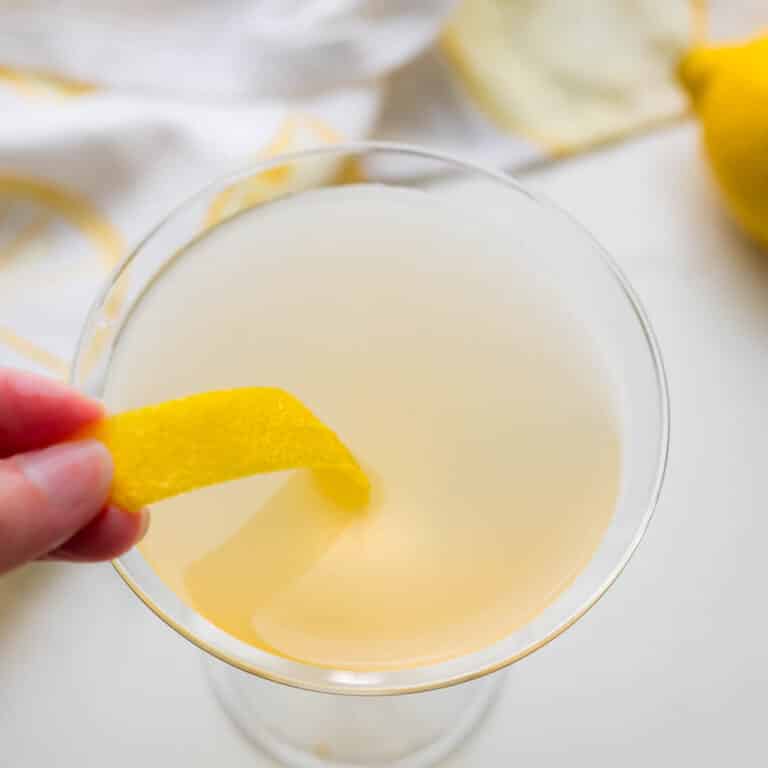
- Strain the 20th Century Cocktail into a martini or coupe glass and garnish with a twist of lemon peel. Enjoy
RECIPE VIDEO:
NOTES:
NUTRITION:
Nutritional Disclaimer
Nutritional information is an estimate only and is provided as a courtesy. Values are calculated automatically based on the ingredients and quantities in each recipe and may vary depending on specific brands, exact measurements, and substitutions made. For precise nutritional guidance, especially if you have a medical condition or dietary restriction, please consult a registered dietitian or run the ingredients through your own nutrition calculator.Pin it for later!