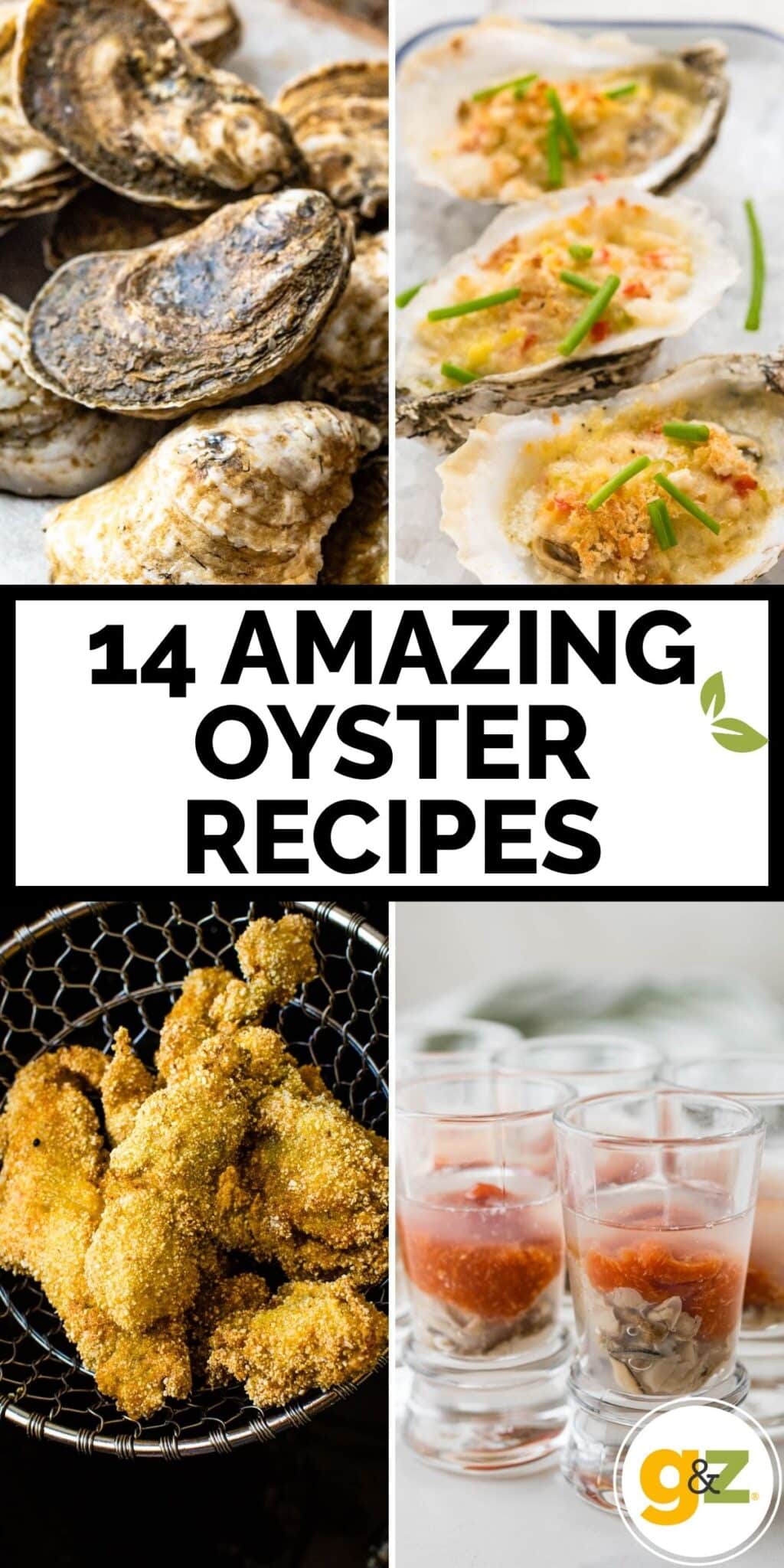
Oyster Recipes — A Complete Guide to Buying, Cooking and Serving Oysters at Home
Inside: Everything you need to know about oysters — how to buy them, store them, cook them and serve them, with recipes for every occasion.
Oysters are one of those ingredients that look intimidating and are actually straightforward once you know a few basics. This is your complete guide — how to buy them, store them, shuck them and cook them at home, in whatever direction you want to take them. Raw on the half shell, chargrilled New Orleans-style, baked Rockefeller, fried crispy or smoked low and slow — it’s all here.
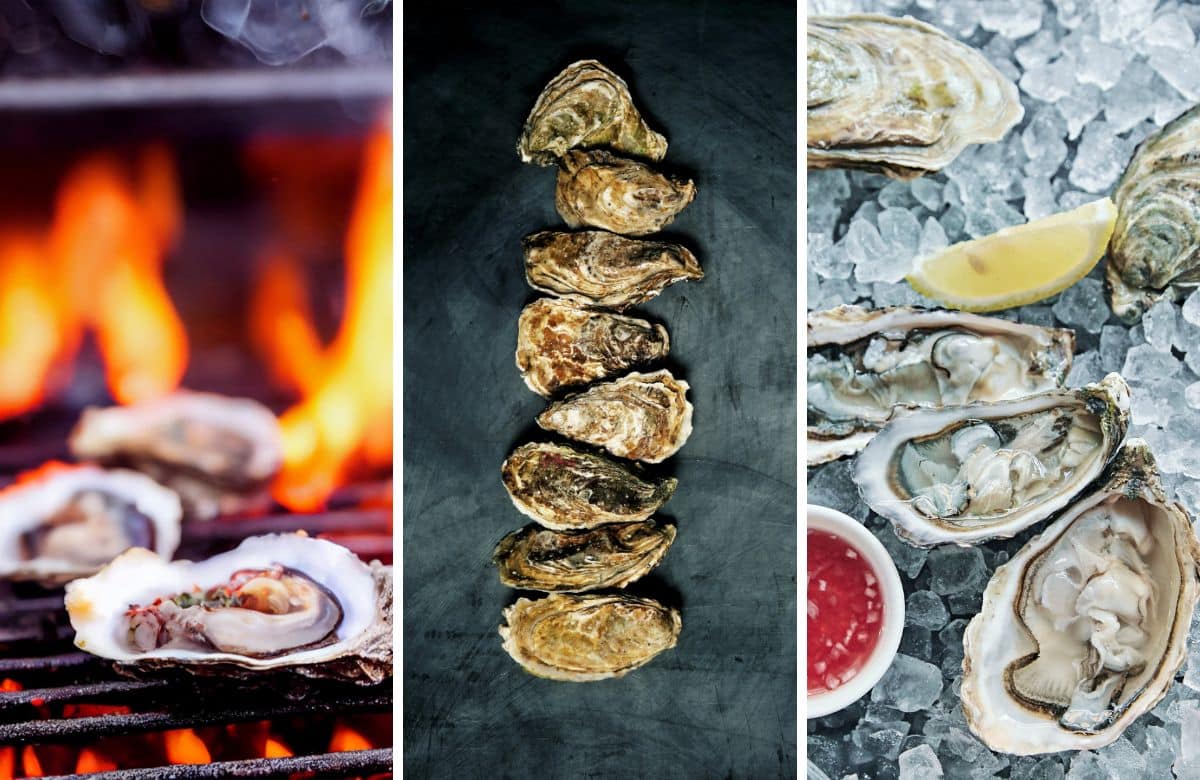
I grew up on the Chesapeake Bay, where oysters weren’t a delicacy — they were just life. Backyard roasts, holiday tables, any occasion worth celebrating had a pile of bivalves somewhere in the picture.
Decades later living in South Florida, the obsession hasn’t faded — it’s just evolved. I’ve shucked them in my home kitchen and I’m here to tell you: none of it is as intimidating as it looks.
How to buy oysters:
The best place to buy oysters is a fishmonger or seafood market with high turnover — you want to know those oysters haven’t been sitting around. I wouldn’t trust the local supermarket (sorry–not sorry).
The only exception is if you’re buying oysters already shucked and they’re kept in the refrigerated section or in a pint or quart-sized container on ice. Plus, you can usually rely on the expiration date as a guide.
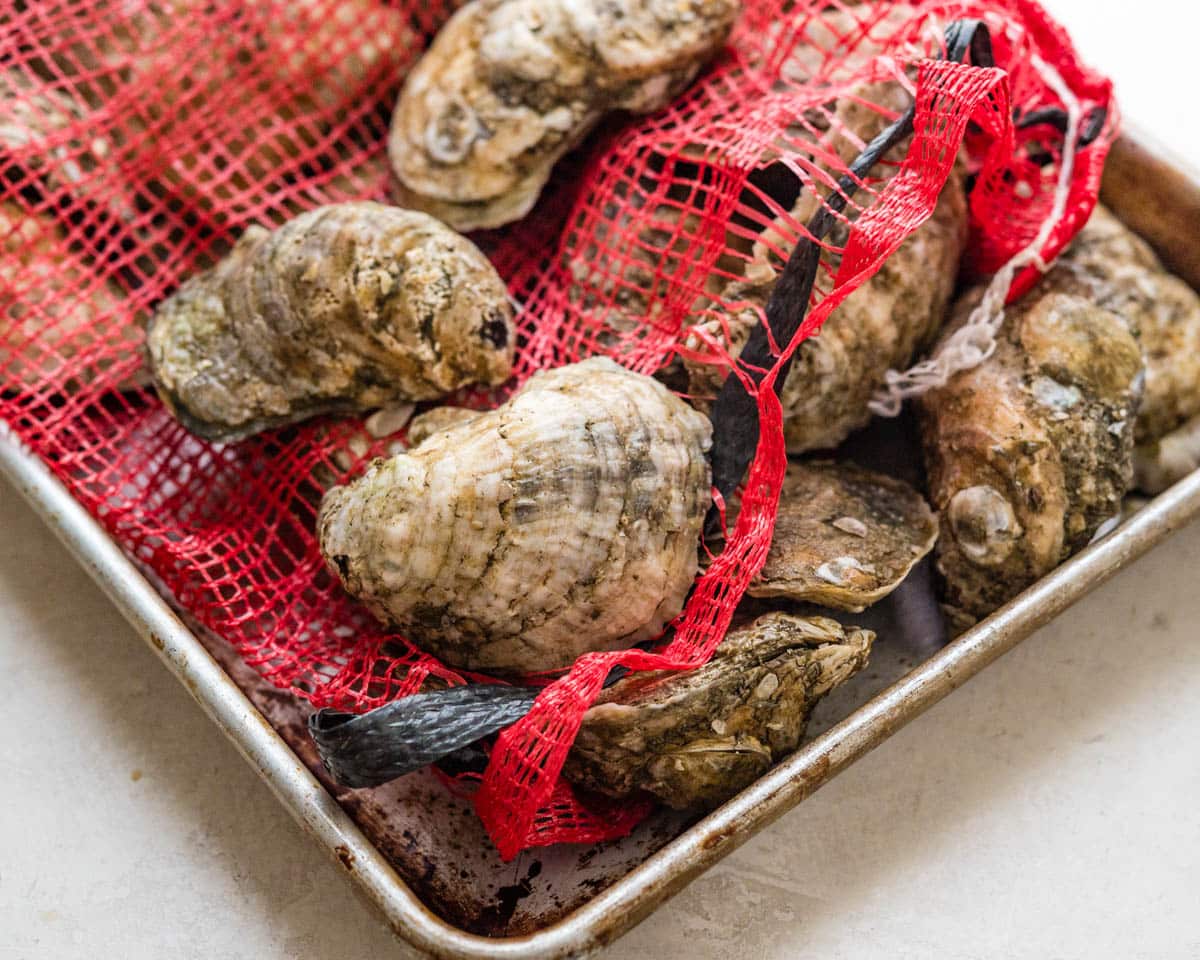
If you want bivalves in their shell and don’t have a reputable local fish market, ordering online is a completely legitimate option. We get ours from Rappahannock Oyster Co., and they arrive in mesh bags packed in styrofoam coolers, cold and ready to go.
A few things to look for:
- They should smell like the ocean. Fresh, briny, clean. If they smell fishy or sulfurous, walk away.
- The shells should be closed — or close shut when tapped. An oyster that’s gaping open and won’t close is dead. Don’t buy it, don’t eat it.
- They should feel heavy. A light oyster has lost its liquor, which means it’s been sitting too long.
- How many to buy: Plan on 6 oysters per person as an appetizer, 12 if oysters are the main event. For a party spread where they’re one of several options, 4-6 per person is usually plenty — though in my experience, people always eat more than you expect.
East Coast vs. West Coast–what’s the difference?
Not all oysters taste alike — and if you’ve ever had a Kumamoto from the Pacific Northwest and a Blue Point from Long Island in the same sitting, you know exactly what I mean. Where an oyster grows determines almost everything about how it tastes.
East Coast oysters tend to be brinier, more mineral and firmer in texture. The cold, salty waters of the Atlantic produce an oyster that tastes assertively like the sea. Some of my favorites:
- Chesapeake Bay — where I grew up. Medium brine, clean finish, deeply familiar to me
- Blue Point (Long Island, New York) — classic, reliable, medium-briny
- Wellfleet (Cape Cod, Massachusetts) — intensely briny, firm, a raw bar staple
- Malpeque (Prince Edward Island, Canada) — clean, light brine, slightly sweet finish
West Coast oysters grow in cooler, nutrient-rich Pacific waters and tend to be creamier, sweeter and more delicate — with flavor notes that lean toward cucumber, melon or butter rather than straight brine. Some favorites:
- Kumamoto — small, deep-cupped, buttery and sweet. A great entry point for oyster newcomers
- Hog Island Sweetwater (Tomales Bay, California) — creamy, mild, slightly sweet
- Olympia (Washington State) — tiny, intensely flavored, a Pacific Northwest original
Gulf oysters are larger, milder and softer than either coast — IMO, they’re better suited to cooking than eating raw, though plenty of people enjoy them on the half shell too.
How to shuck oysters:
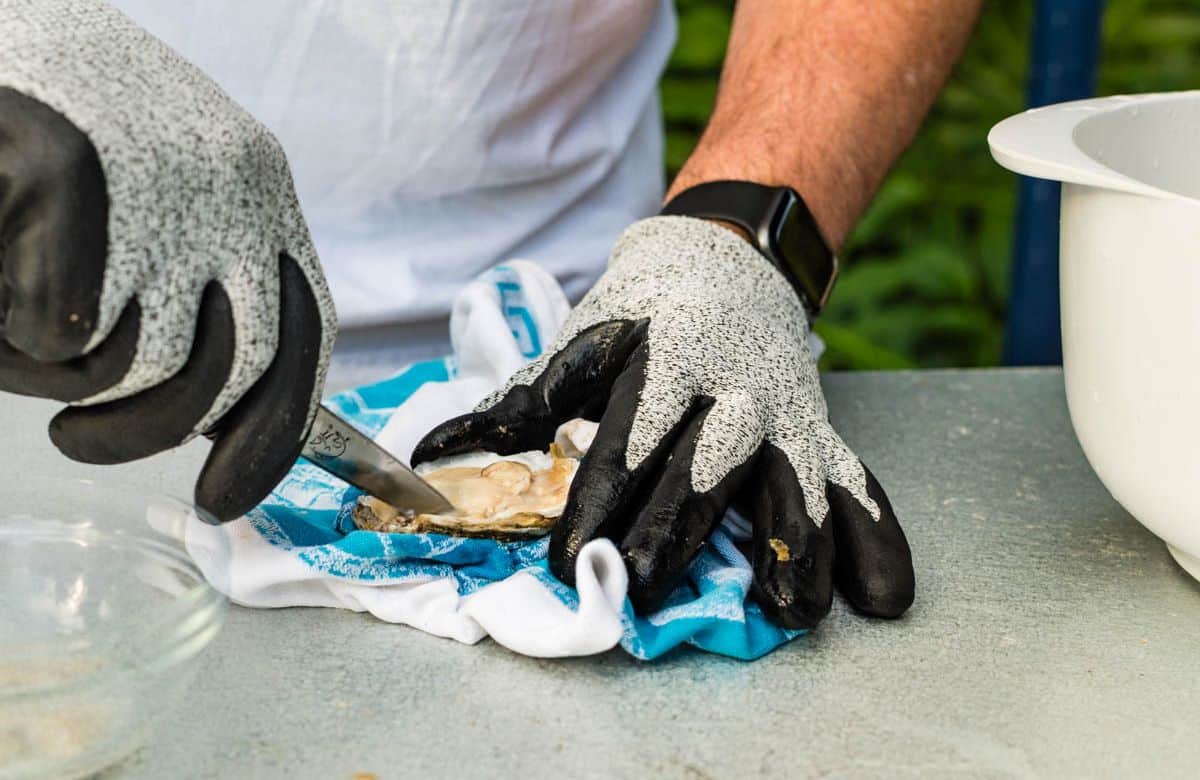
- First, scrub the shells under cold running water with a stiff brush — oysters come from silty water and nobody wants grit in their mouth. Only clean the ones you’re eating now.
- Hold the oyster cup-side down, flat-side up — this protects the liquor. Find the hinge at the narrow pointed end. That’s where your knife goes in, not the wide end, not the side.
- Work the tip of your oyster knife into the hinge with firm, steady pressure — it’s a wiggle and twist, not a stab. You’ll feel a small pop when the seal breaks. Wipe the blade on your towel, then slide it along the inside top of the flat shell to sever the muscle. Lift off and discard the flat shell.
- Finally — and this is the step most people skip — run the knife along the bottom of the cup to free the oyster completely. That’s why it won’t slide off cleanly if you rush it.
- When it’s done right, the oyster floats freely in its liquor, ready to tip straight into your mouth.
For the full step-by-step guide with photos and video, visit my post about Oysters on the Half Shell. And don’t forget to download your free Indispensable Oyster Guide.
How to store oysters:
Oysters in their shells are alive when you buy them, which means storage matters. The good news is they’re not as fragile as people think — handled correctly, they’ll keep for up to a week or more.
Do this:
- Store them cup-side down in a bowl, covered with a clean damp towel. Run the towel under cold water daily and wring it out — this keeps the oysters alive and fresh. Using this method you can keep them for up to a week, sometimes two.
- Keep them cold — between 35°-45°F, ideally in the coldest part of your fridge.
- Got a cold garage? My parents kept bushels of oysters in their Virginia garage during winter months when the temperature hovered around 40°F — they’d last several weeks to a month. Just make sure you actually know the temperature. No guessing.
Don’t do this:
- Don’t submerge them in fresh water — it will kill them.
- Don’t store them in an airtight container — they need to breathe.
- Don’t rest them on melting ice — pooling fresh water has the same effect as submerging them.
Once they’re shucked: Shucked oysters should be eaten immediately or used in a cooked recipe. Don’t eat raw shucked oysters that have been sitting in the refrigerator for several days — cook them instead.
If an oyster is gaping open before you shuck it and it won’t close when tapped, that means it’s dead. Toss it out!
Raw Oysters
The purest way to eat an oyster is straight from the shell — cold, briny and tasting exactly like the water it came from. No cooking required, just a little know-how and the right tools.
If you're new to raw oysters, start with a West Coast variety like Kumamoto — they're creamier and sweeter, a gentler introduction than the assertive brine of an East Coast Blue Point. Either way, all you need is a good oyster knife, a cut-resistant glove, a dish towel to hold them steady and a little patience the first few times through.

This simple preparation is a classic for a reason. I've included a tangy 5-minute mignonette recipe, but they're also good with a cocktail sauce or just a squeeze of lemon.

A briny, boozy one-bite appetizer that's equal parts fun and delicious. Perfect party food and surprisingly popular for weekend brunch.
Grilled Oysters
If raw isn't your thing, let the grill be your gateway to these bivalves. High heat transforms an oyster — the edges cook, the butter bubbles, the cheese gets golden and the brine concentrates into something deeply savory. It's the reason chargrilled oysters have their own cult following in New Orleans.
You'll want a hot grill (around 500°), a good pair of grill gloves, and about 15 minutes. That's it.

Just like you enjoyed them at Drago's or Acme Oyster House, these are buttery, cheesy, spicy and New Orleans-style. The closest thing to Bourbon Street without a plane ticket.

These are a lighter, brighter take with fresh citrus — how we make them in Florida. Great with a cold cerveza.

Seasoned festive, bold and delicious. These skip the cheese, but you won't miss it because we add hot sauce to the buttery topping. They're perfect for a crowd.
Baked Oysters
Baked oysters are the dinner party move — elegant, impressive, and almost entirely make-ahead.
The toppings do the heavy lifting: rich, cheesy, herb-flecked fillings that turn a humble bivalve into something that belongs on a white tablecloth.
New Orleans claimed both of these classics, and for good reason.

This classic recipe originated in New Orleans and is the most famous baked oyster in the world. Spinach, butter, herbs and a crispy breadcrumb topping.
Traditionally, it has a splash of Pernod or anise-flavored liqueur. It's a raw bar legend for a reason.

This oyster recipe is a lesser-known New Orleans classic but it's become a family favorite with our crew.
The vegetable base is traditional Louisiana with the Holy Trinity (onion, bell pepper and celery) and of course, the Pope (garlic) in a creamy white wine sauce that's worth every calorie.
Fried Oysters
A properly fried oyster is one of life's great pleasures — crispy on the outside, tender and briny within, gone in one perfect bite.
Frying is a great option for those who don't want to shuck. Just buy them pre-shucked and get right to the recipes.
The key is hot oil, a light hand with the breading, and not overcrowding the pan. Rush any of those and you've got a soggy mess. Do it right and you'll understand why fried oysters have been on Southern menus for centuries.

These are golden, crispy and served with a tangy Creole remoulade that makes them impossible to stop eating. BTW - pile these on a po-boy for that Big Easy taste you've been craving.

This pan-fried version with Asiago and Parmigiano Reggiano cheeses, crispy Panko breadcrumbs and oregano is served with a tangy lemon butter sauce. Recipe is courtesy of Chef and Angler Joe Cascio.
Smoked Oysters
Smoking transforms oysters into something deeply savory and complex — low heat, fragrant wood smoke and time do what a hot grill can't. The result is rich, silky with a mild smoky flavor that's actually much softer and nuanced than you've had before.
Serve them on crackers with a little hot sauce, fold them into a dip, or eat them straight off the smoker. No judgment.

Low and slow on the smoker with simple seasoning that lets the oyster shine.
This is super-simple to do on a pellet smoker and you can shuck your own bivalves to smoke them in their shells (as shown) or buy a pint or quart of shucked oysters for a quick and easy, no-fuss method.
The flavor difference is a revelation if you've only tasted canned smoked oysters.
Oyster Soups Stews and Sides
Oysters have been going into pots and pans long before anyone thought to grill or fry them. These are the cold-weather, comfort-food, holiday-table recipes — the ones that make a house smell incredible and disappear fast.

This simple soup tastes indulgent, but it couldn't be simpler to make. Plump oysters in a rich, seafood and cream broth that comes together in under 20 minutes.
It's more soup than stew, and better for it.
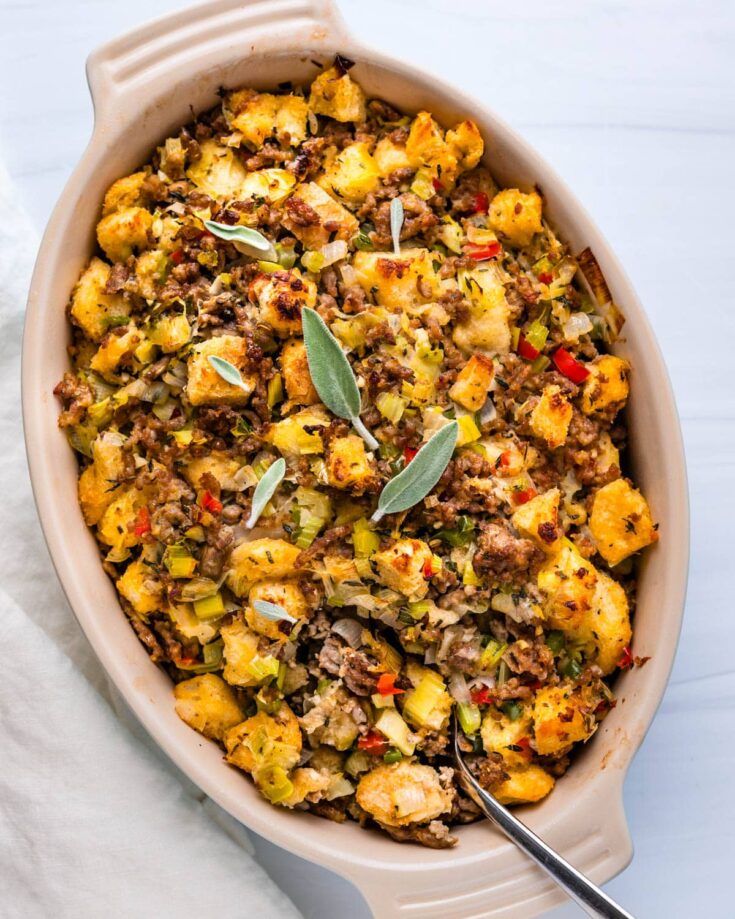
A Thanksgiving and holiday table staple. Savory, herby, a little briny — the oysters disappear into the dressing but you'd know immediately if they were missing.

The ultimate Louisiana one-pot meal, where oysters join andouille, shrimp and chunks of chicken thighs with a dark roux in something that gets better every time you reheat it.

This rice dressing recipe is a Louisiana favorite with ground beef, pork, chicken livers & oysters.
Use it as a baked side dish or stuffing for a holiday turkey.
Save the guide on Pinterest!