
Mojo Criollo Marinade
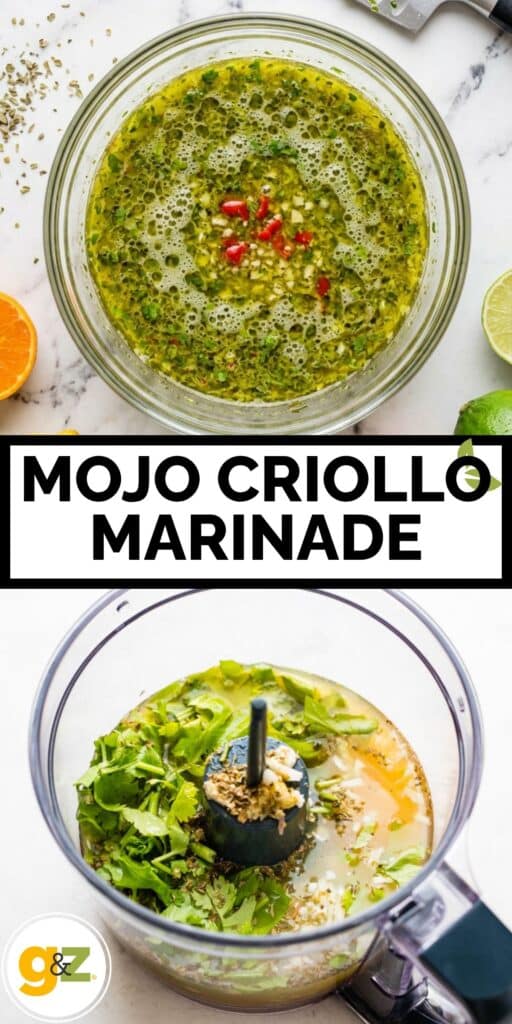
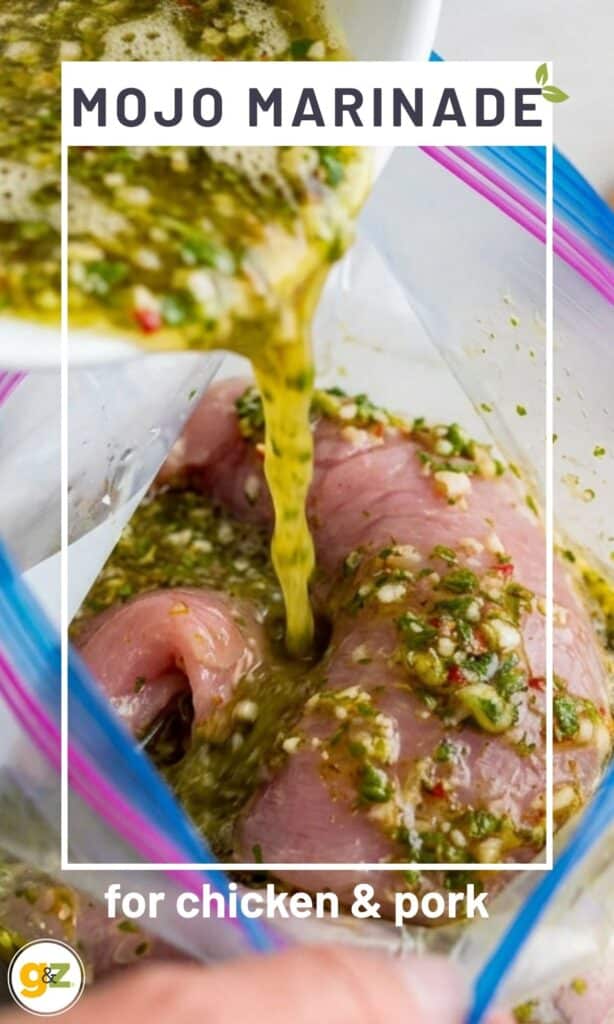
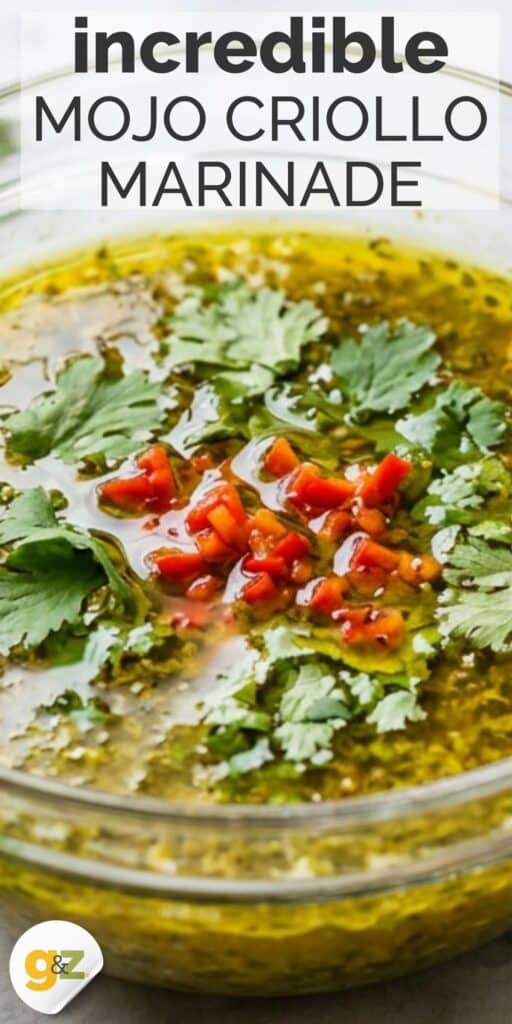
Inside: How to make mojo criollo marinade from scratch with fresh citrus, garlic and Cuban spices — plus tips for marinating chicken, pork and seafood and how long it keeps.
Mojo criollo is the secret weapon of Cuban and Caribbean kitchens — a punchy, citrus-forward marinade that transforms chicken, pork and seafood with nothing more than fresh lime, lemon, garlic and a handful of spices. This is my state-side take on the classic Cuban mojo sauce, built for home cooks who can’t always find sour oranges but don’t want to sacrifice any of the flavor.
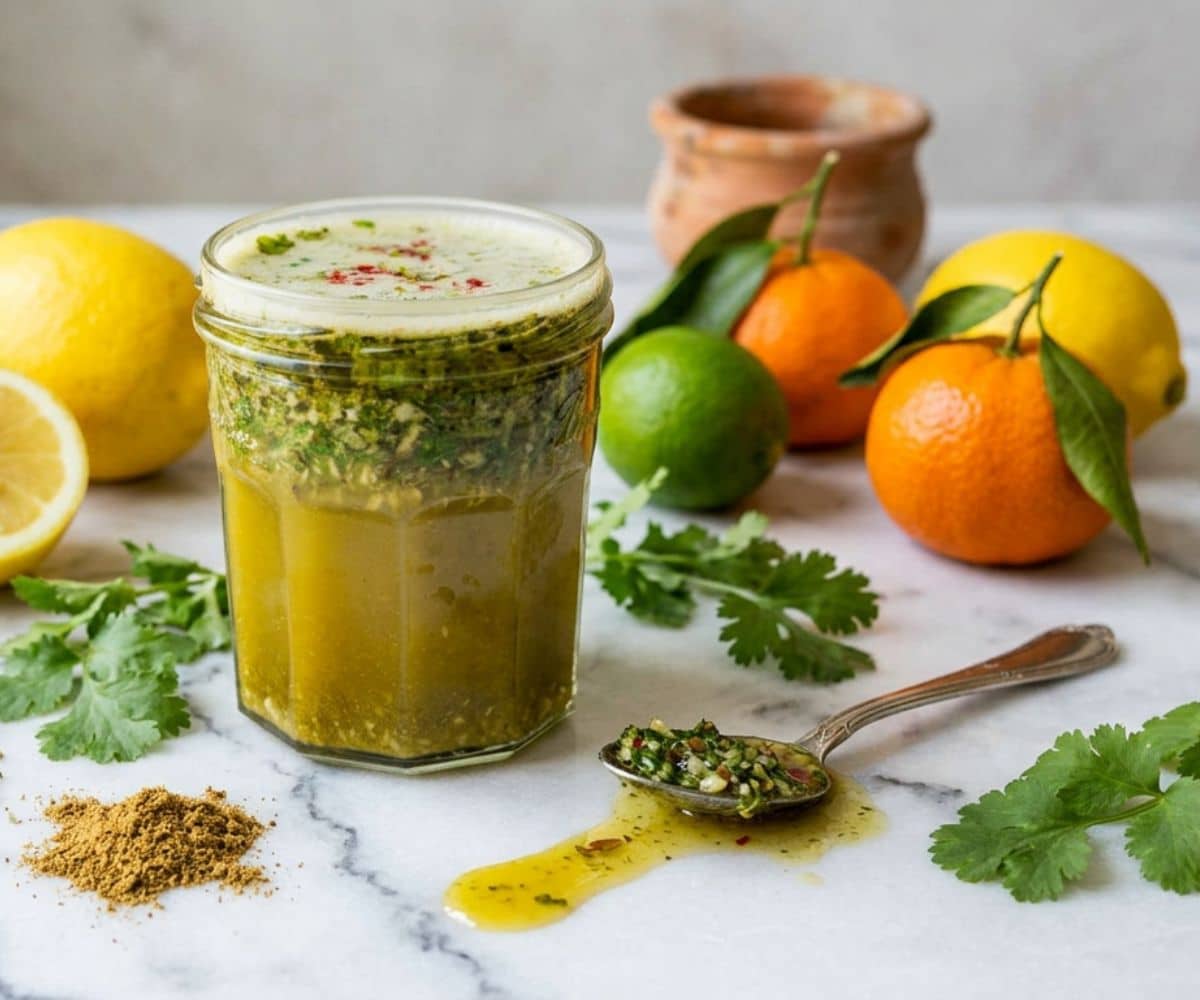
What is Mojo Criollo?
Also known as Cuban mojo sauce, mojo criollo (pronounced moh-hoh cree-OH-yo) is a islandy citrus marinade made with fresh lime, lemon, garlic, cumin and herbs. The name literally means “creole sauce,” and it’s used throughout Cuba and the Caribbean to flavor chicken, pork and seafood to serve with stovetop Jasmine rice. Unlike bottled versions, homemade mojo criollo uses freshly squeezed citrus for a brighter, more vibrant flavor.
Since sour oranges (the traditional main ingredient for mojo marinade) aren’t readily available, my rendition uses a blend of fresh citrus, a hefty dose of garlic, dried and fresh herbs and spices and a scotch bonnet or other hot pepper for a little kick. (Don’t worry, you can use as much or as little as you like in this mojo recipe).
Why this recipe works:
- Ready in 15 minutes with everyday citrus — no sour oranges required.
- One marinade, endless uses — chicken, pork, beef, veal and seafood all love it.
- Fresher and more vibrant than anything from a bottle.
- Easily adjust the heat level up or down with the scotch bonnet.
Ingredients:
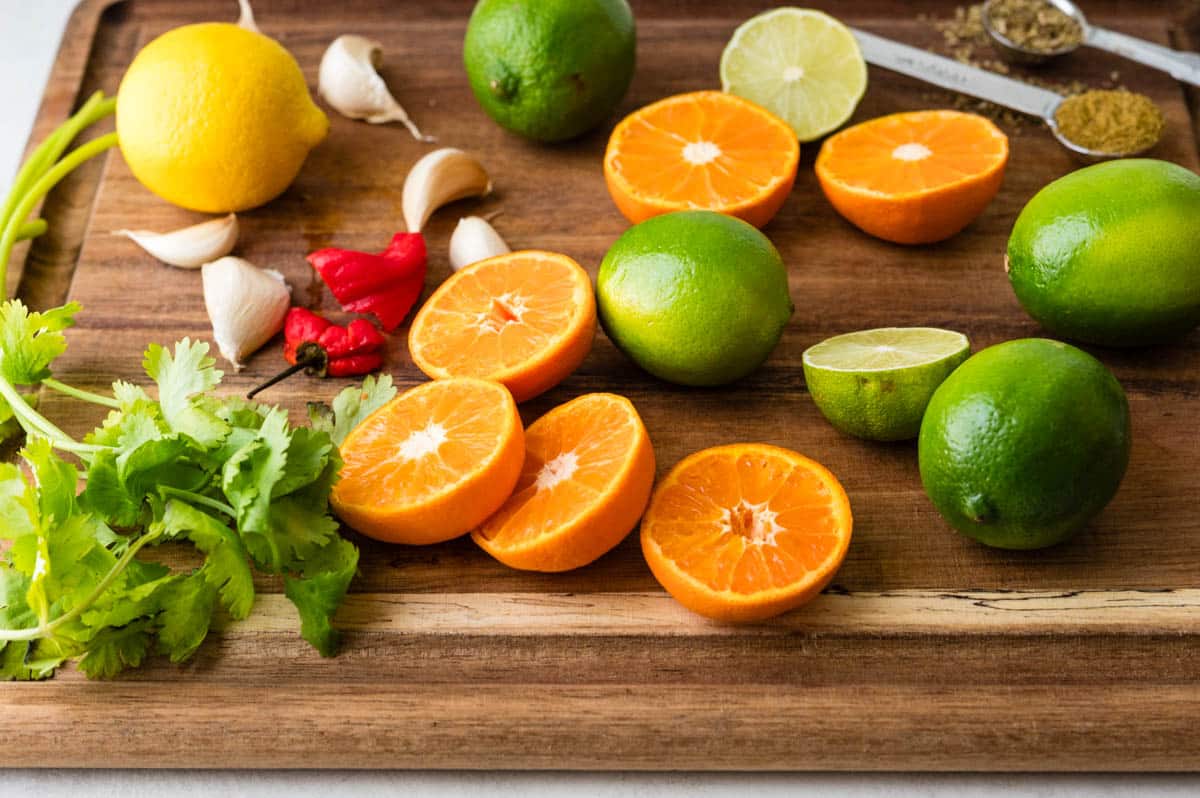
- Sour Oranges – are the traditional citrus used for mojo criollo recipes, but if you can’t get them, a combination of other more readily available fruits is fine.
- Limes–I used regular Persian limes, but Key limes would work too.
- Lemons–fresh squeezed only. Lemons add a brightness that balances the tartness of the lime and the sweetness of the tangerine, rounding out the citrus blend.
- Tangerines – I use tangerines instead of oranges because they have a more intense, unique flavor, but either works.
- Garlic — use a hefty hand here. Mojo is supposed to be bold and garlicky.
- Ground Cumin — adds a subtle smokiness that rounds out the citrus.
- Fresh Cilantro — use both the stems and leaves for maximum flavor.
- Dried Oregano — Mexican oregano is preferred if you can find it.
- Olive Oil — your everyday oil works fine here.
- Salt & Pepper — to season and balance.
- Scotch Bonnet, Habanero or Serrano Pepper — optional, but recommended for a little kick.
Fresh citrus juice makes a big difference — skip the pasteurized orange juice or bottled lime juice and squeeze it yourself. Depending on how juicy your fruit is, you’ll need 3-5 lemons and limes and 2-3 tangerines or oranges.
Step-by-step instructions:
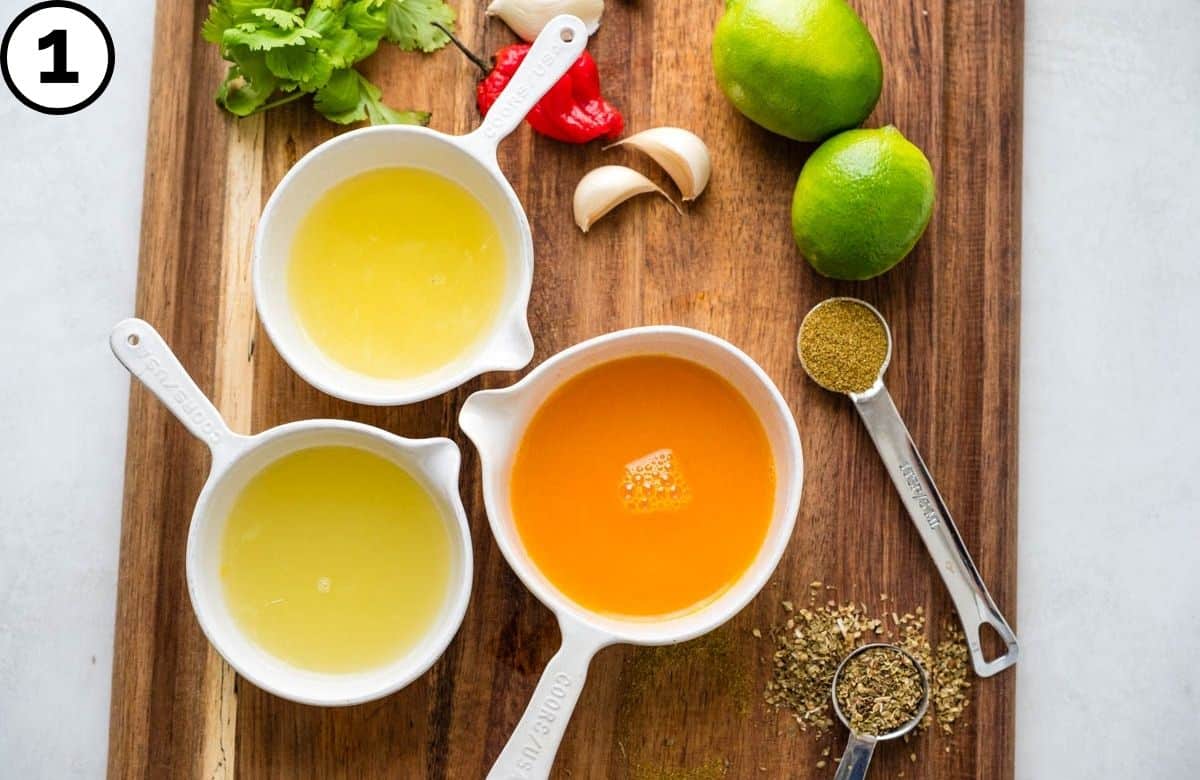
- Juice the limes, lemons and tangerines until you have ⅓ cup of each.
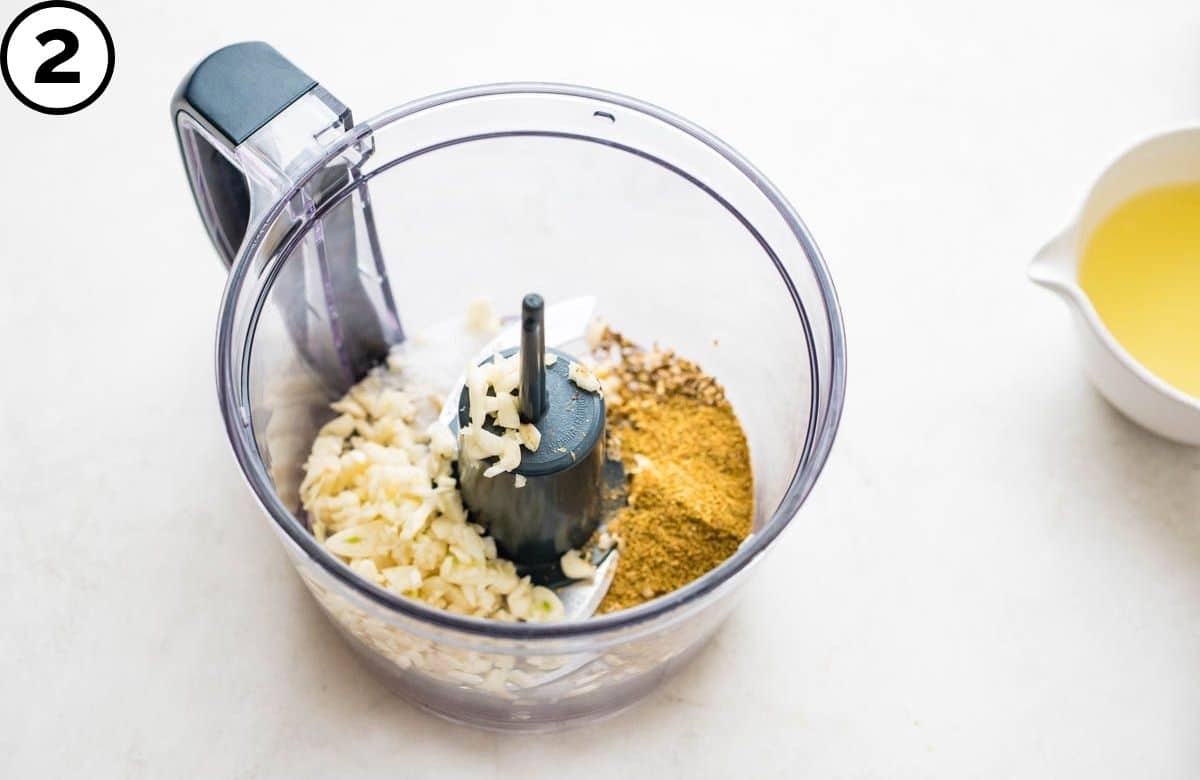
2. Add the oregano, cumin, salt, pepper and roughly chopped garlic to a mini food processor.
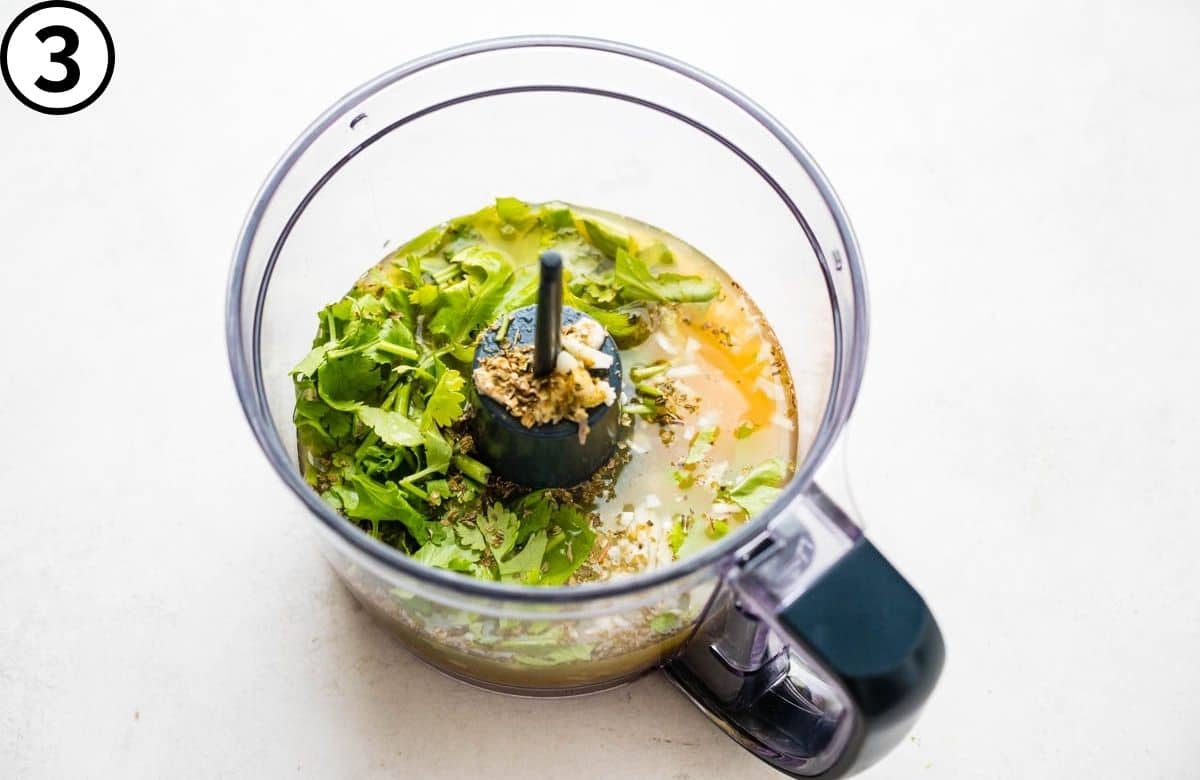
3. Add the fresh citrus juices and cilantro, stems and all.
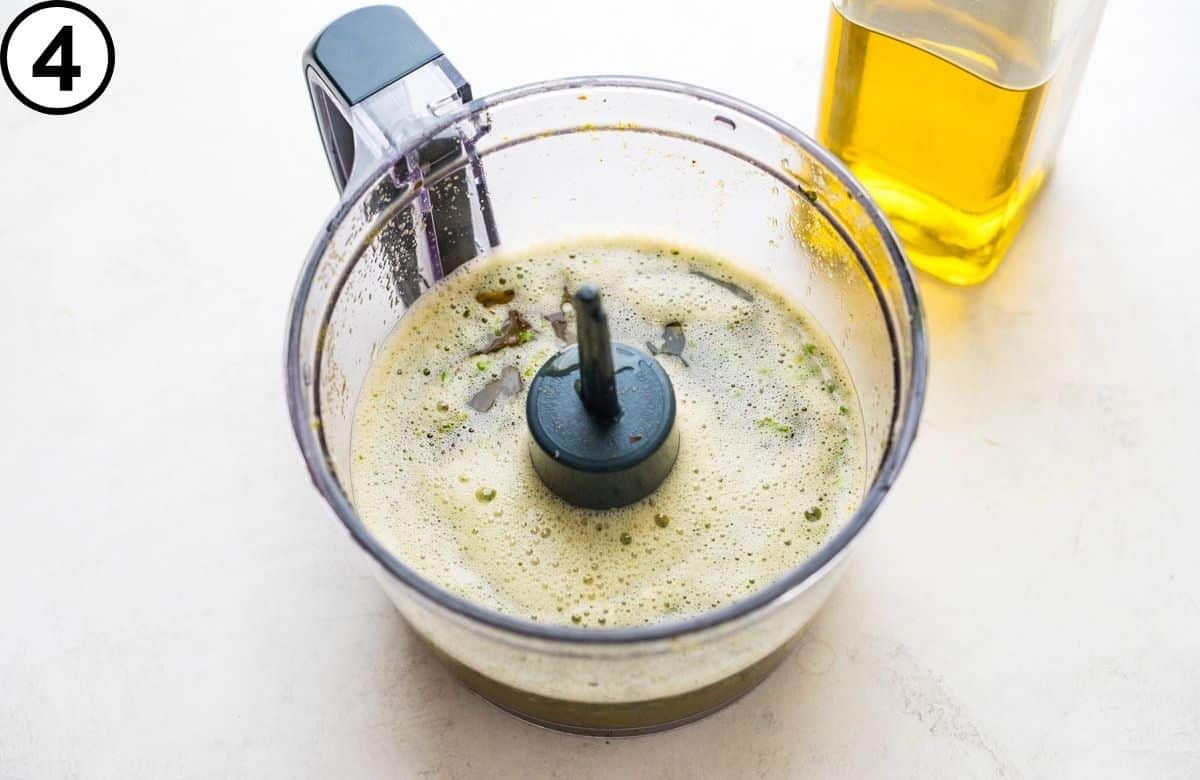
4. Pulse until the garlic and cilantro are finely broken down and the marinade is well combined. Stream in the olive oil with the processor running.
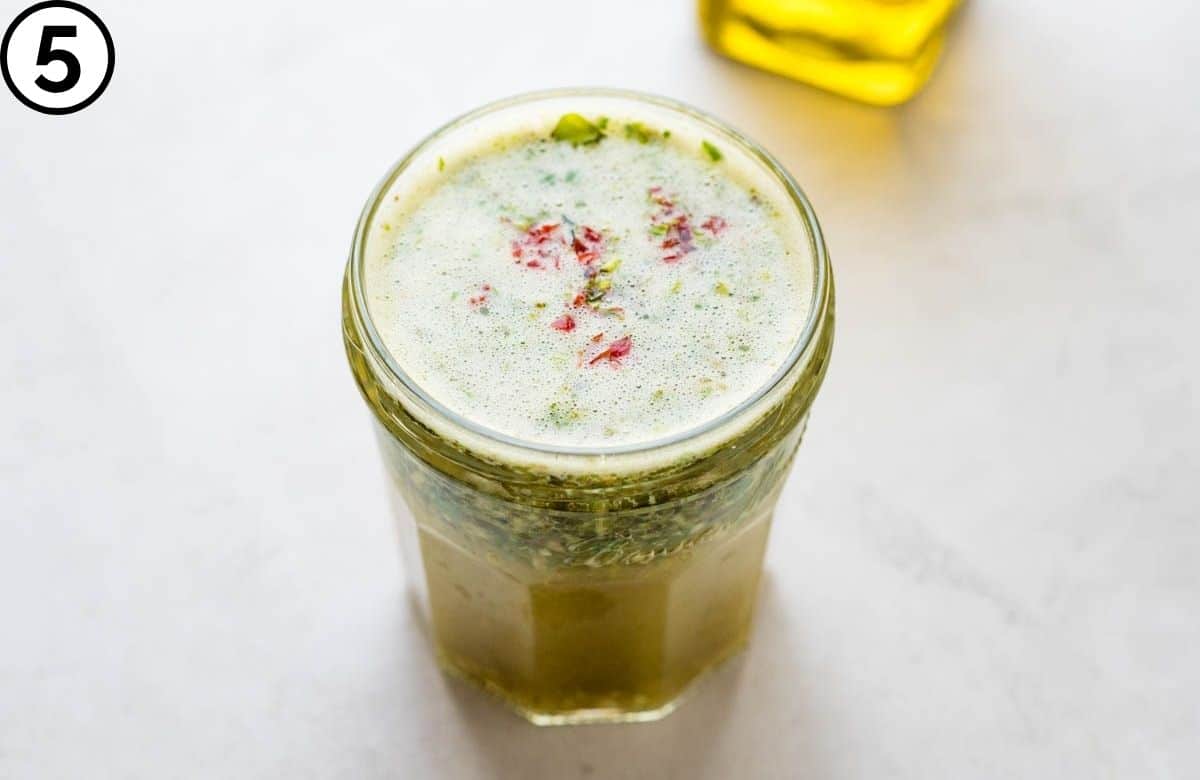
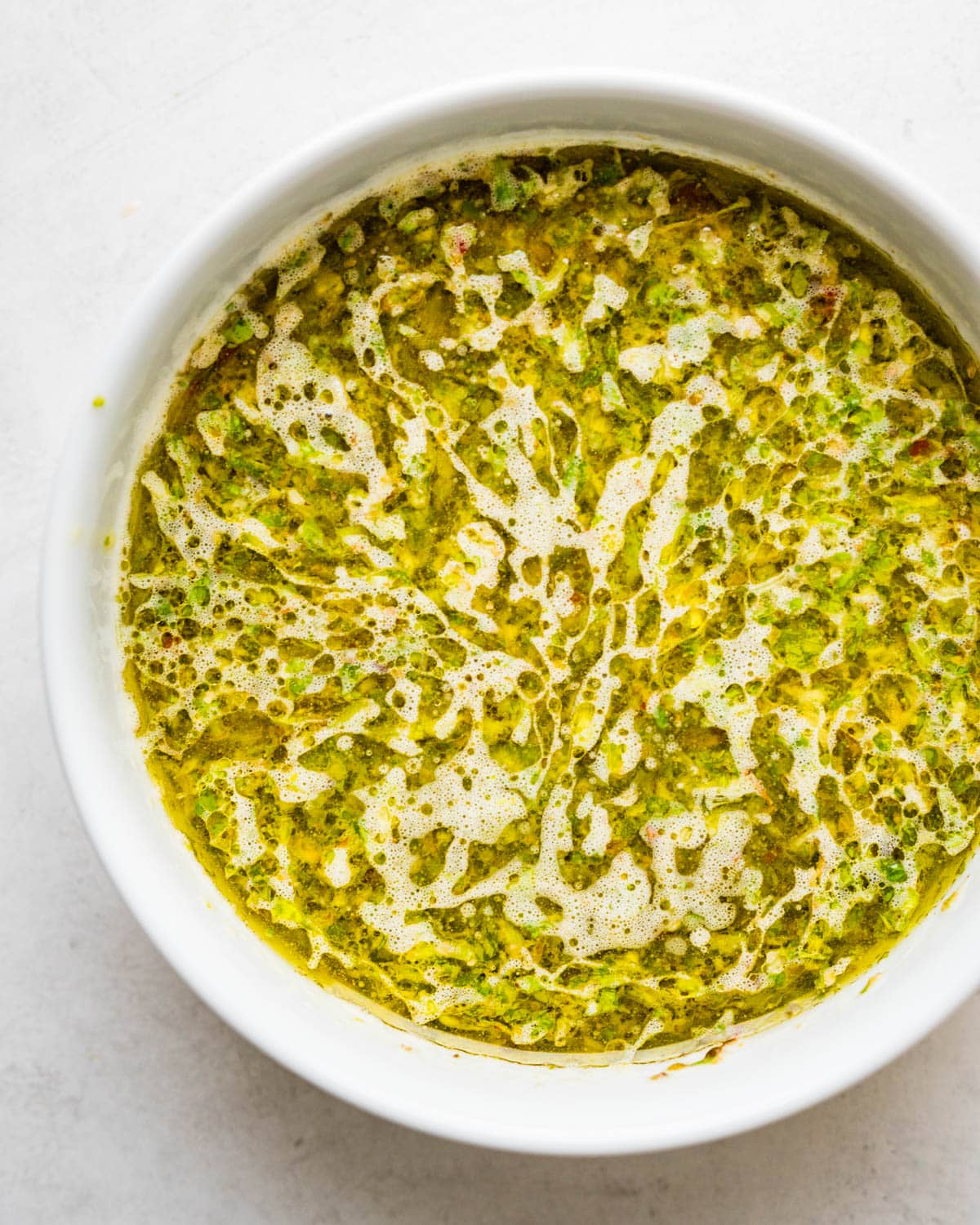
5. Transfer to a bowl and stir in the minced habanero or scotch bonnet to taste.
Pro-Tips:
- Fresh-squeezed citrus is non-negotiable–bottled lime or lemon juice won’t give you the same bright, vibrant flavor. For juicing this much citrus, a handheld juicer like this Chef’n {affiliate link} holds up better than metal ones. An electric citrus juicer {affiliate link} is even faster if you make this regularly.
- A rough chop on the garlic is fine — the food processor does the work.
- Use the stems–no need to pluck just the stems from the cilantro — they carry just as much flavor as the leaves.
- Old school–if you’re not using a food processor, be sure to mince the garlic and cilantro very finely or grind them with a mortar and pestle to pull out the most flavor.
- Start with less habanero and taste as you go. You can always add more heat, but you can’t take it away.
- Don’t over-marinate–and this is a big one because mojo is primarily citrus-based (acidic), too long in the marinade can actually change the texture of the meat, especially poultry. Let it sit too long and it becomes mushy and unpleasant Stick to the recommended times according to the recipe you’re using the mojo criollo for, usually 2 hours for chicken and 2-4 for smaller cuts of pork and beef. Larger cuts can marinate longer; up to 12.
- Pat the protein dry with paper towels before cooking. Wet meat steams instead of sears.
- This is our go-to citrus marinade for chicken — especially thighs and drumsticks.
Swaps and Variations:
- No heat–skip the habanero or scotch bonnet entirely for a mild, family-friendly version.
- Sour orange mojo–if you can find sour (Seville) oranges, substitute them for the lemon and tangerine juice for a more traditional Cuban flavor.
- Herb swap–replace the cilantro with flat-leaf parsley if you’re cooking for cilantro-averse guests.
- Smoky mojo–add ½ teaspoon of smoked paprika for a deeper, smokier profile that works especially well on pork.
- Mojo vinaigrette–thin with a little extra olive oil and red wine vinegar and use as a salad dressing for Southwestern or Latin-inspired salads.
- Mojo sauce–serve it alongside grilled shrimp or fish as a bright, garlicky table sauce rather than a marinade.
- If you love a bold marinade, these are worth keeping in your rotation too: this Asian Chicken Marinade brings soy, ginger and sesame to the party, while the Brown Sugar Bourbon Marinade goes smoky-sweet for pork and beef.
FAQs
Mojo (pronounced moh-hoh) literally means “sauce” in cooking. Mojo criollo is a garlicky citrus marinade prolific throughout Cuba and the Caribbean — but its roots actually trace back to the Spanish Canary Islands, where both red and green versions were common. The Canary red mojo was built on peppers like pimentón; the green on cilantro or parsley.
Cuban mojo criollo took its own direction — lots of citrus (traditionally sour oranges), loads of garlic, and no added heat.
This recipe is my Florida-born take on that classic, swapping everyday citrus for the hard-to-find sour oranges without sacrificing any of the flavor.
Bold, bright and garlicky with a tangy citrus punch from the fresh lime and lemon. The cumin adds a subtle smokiness and the optional habanero brings a gentle heat that builds.
Chicken, pork, beef, veal and seafood all work beautifully. It’s especially good on chicken thighs, pork shoulder, skirt steak and shrimp.
This mojo criollo recipe makes about 1½ cups of marinade — enough for about 2 pounds of meat or seafood. It doubles easily if you’re feeding a crowd.
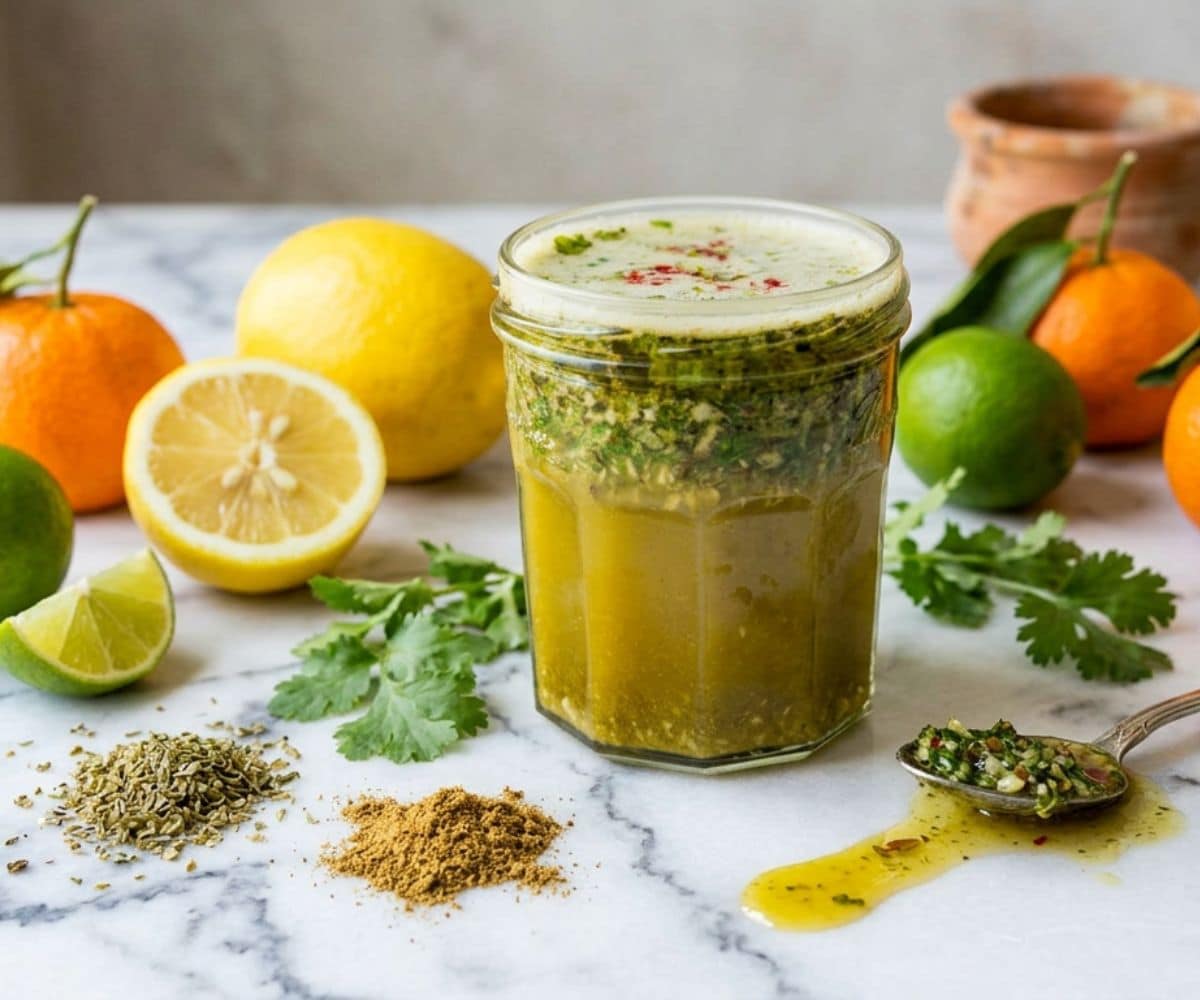
Make ahead:
- You can make the mojo criollo several hours ahead of time — or even the night before — so the flavors have time to meld.
How long will mojo criollo keep?
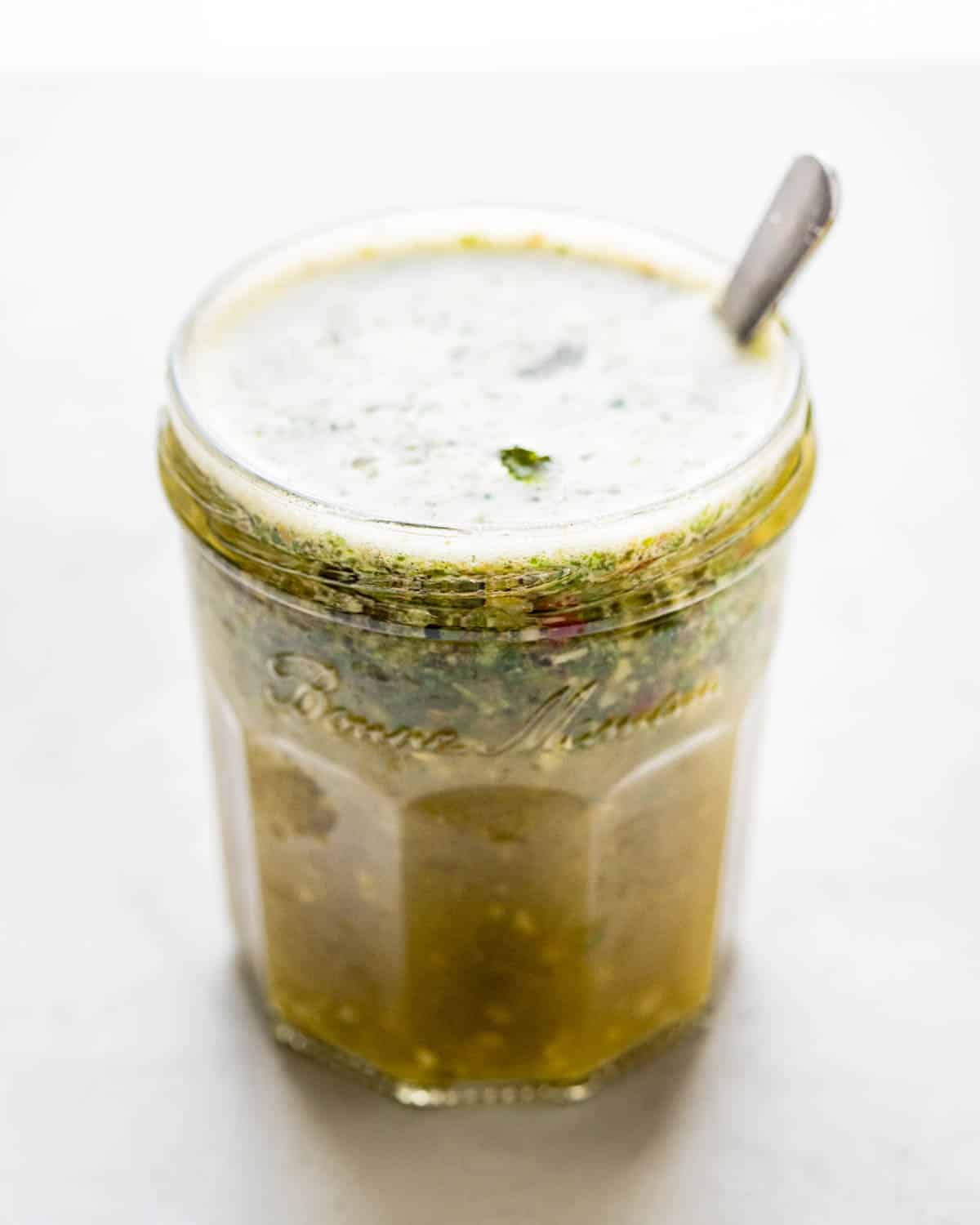
- For the freshest flavor, use it the day you make it. It will keep refrigerated in a sealed glass jar for up to two days, though the cilantro will lose some brightness after the first day.
- Do not store in a metal container; the citrus acid can react with it.
Freezing:
- Freeze extra mojo criollo in an ice cube tray for convenient single-use portions.
- Once frozen, transfer the cubes to a zip-top freezer bag and store for up to 3 months.
- Thaw in the refrigerator before using.
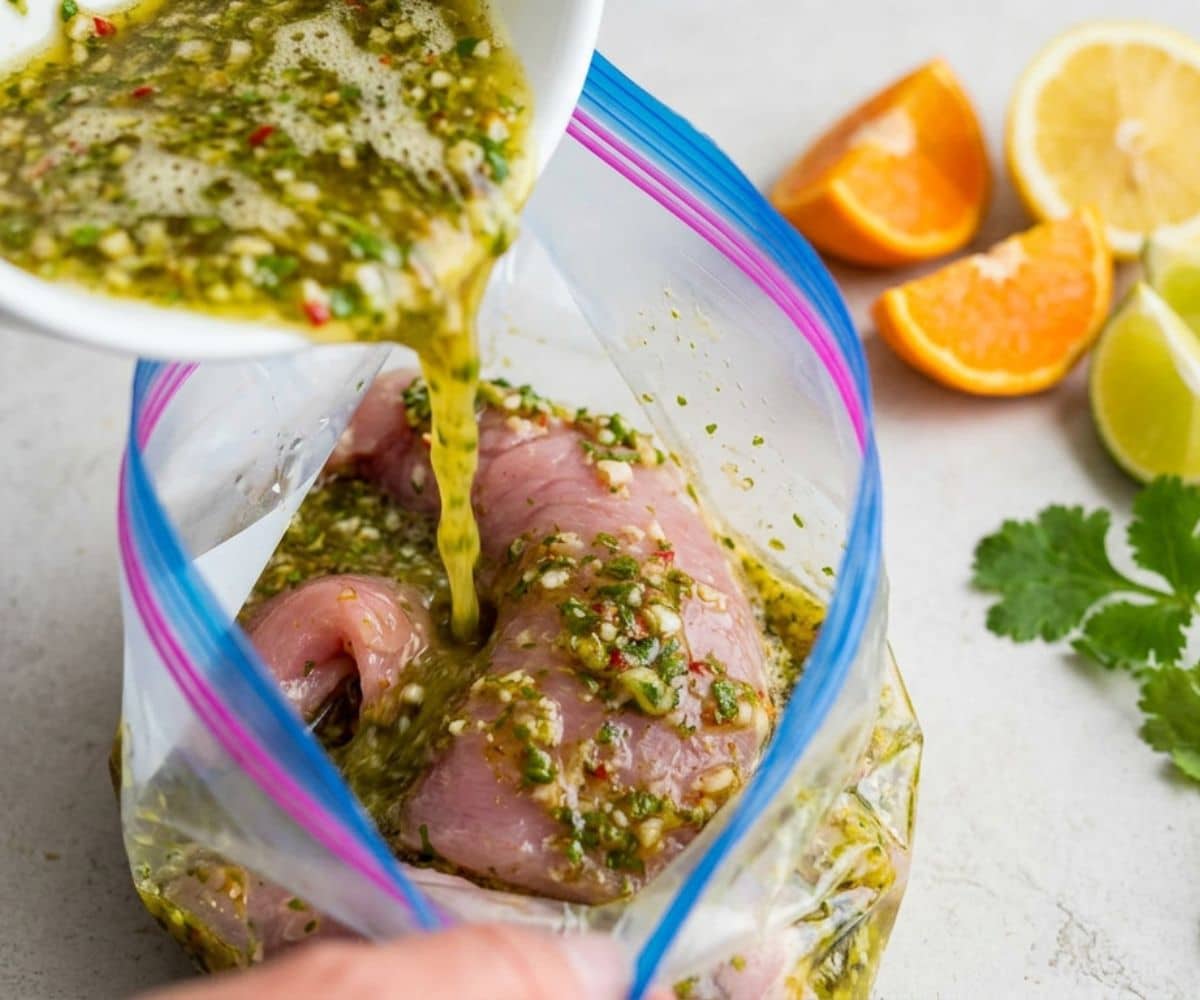
This Cuban-inspired citrus marinade goes great with chicken, pork, beef, veal and seafood. If you love bold Latin flavors, you’ll also want to try this Brazilian Chicken (Tempero Baiano) — a whole-spice marinade with fresh lime that takes a different route to the same delicious destination.
More mojo and citrus inspired marinades and recipes:
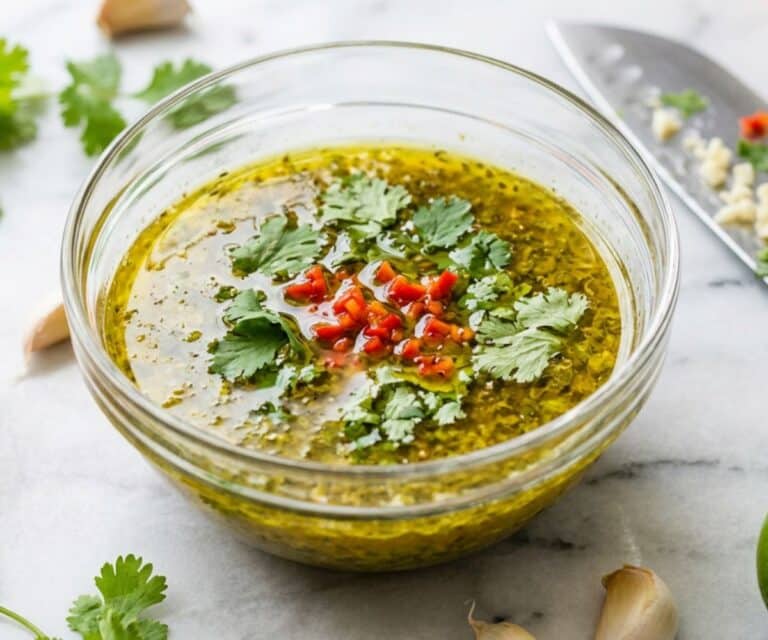
Mojo Criollo Marinade
SPECIAL EQUIPMENT:
- 1 juicer
INGREDIENTS:
- ⅓ cup lime juice fresh squeezed
- ⅓ cup lemon juice fresh squeezed
- ⅓ cup tangerine juice (or orange juice) fresh squeezed
- ¼ cup olive oil
- 1 teaspoon kosher salt
- ½ teaspoon black pepper
- 1 ½ teaspoons dried oregano preferably Mexican
- 2 teaspoons ground cumin
- 6 large cloves garlic roughly chopped
- ½ cup cilantro roughly chopped
- ½ habanero pepper or serrano seeded, finely minced (can also use ½ teaspoon crushed red pepper flakes)
DIRECTIONS:
TO MAKE IN THE FOOD PROCESSOR:
- Combine ⅓ cup lime juice, ⅓ cup lemon juice, ⅓ cup tangerine juice, 1 teaspoon kosher salt, ½ teaspoon black pepper, 1 ½ teaspoons dried oregano, 2 teaspoons ground cumin, 6 large cloves garlic, and ½ cup cilantro into a food processor.
- Pulse several times until ingredients are chopped well and combined. Add the olive oil and pulse to blend. Stir in ½ habanero pepper or serrano and transfer the sauce to a bowl or storage container. Refrigerate until ready to use for marinade.
TO ASSEMBLE IN A BOWL.
- Combine all ingredients in a bowl and whisk to combine. Pour over chicken, pork chops, veal or seafood and marinate for 1-2 hours. For larger pieces of meat, marinate for 4-6 hours to more fully penetrate.
MAKE AHEAD:
- Can be made up to two days in advance. Use as a marinade for chicken, pork, veal and seafood or as a sauce to drizzle over grilled proteins.
NOTES:
NUTRITION:
Nutritional Disclaimer
Nutritional information is an estimate only and is provided as a courtesy. Values are calculated automatically based on the ingredients and quantities in each recipe and may vary depending on specific brands, exact measurements, and substitutions made. For precise nutritional guidance, especially if you have a medical condition or dietary restriction, please consult a registered dietitian or run the ingredients through your own nutrition calculator.Pin “Mojo Marinade” for later!
This sounds fantastic!!! Thanks!
I used this to brush on a toasted roll for a mojito pulled pork sandwich
I like “saucy” dishes & hate to see this wonderful marinade go to waste……How can i turn the marinade into a delectable sauce so the shrimp is slathered and there is lots to coat the rice?
Great question. You don’t want to re-use the marinade after you’ve marinated your seafood, chicken or pork. However, If you wanted to reserve about 1/3 cup of the marinade to drizzle over the finished product and rice or veg, you could. Additionally, If you reserve about 1/4 cup of marinade, add a tablespoon of dijon mustard and whisk together. Drizzle in about 1/2 cup of olive oil, while whisking constantly — and you’ll have a mojo vinaigrette — that would be good on steamed veggies, over rice, or to sauce your proteins.
I have used the bottled variety for pork in the past mainly because finding sour oranges was too much of a task! This looks fantastic and I will use for next pork roast!